
I have studied traditional healing methods for the last forty years and specialize in spiritual healing. Every culture has various ways of working with spiritual illnesses—wounds that cause or contribute to maladies impacting our behavior, relationships, and daily activities. Left untreated, they can also create debilitating physical problems.
Several years ago, a psychotherapist colleague referred a woman to me who had stalled in therapy, in hopes a traditional healing session might be helpful. The woman was French but told me she’d been in the US for many years, had married and raised her children here. She said she hadn’t been feeling like herself, that she’d been depressed and had little energy for things she usually enjoyed. I asked a few more questions and she described past traumas related to medical issues and an unhealthy marriage.
I nodded my understanding and asked her to rest on the sanctified rug I use for healings. After a smudge with lavender and mugwort, I chanted slowly and called the Spirits to us. I asked them to remove obstacles to her healing, to lift the burden of her sadness, and clear any energetic blocks. Such things are often present when there is unmitigated collective sadness and trauma. The Spirits pulled out the heaviness and the energetic debris that twisted in her field like tangled vines, then rebalanced the four elements in her physical body. I saw all of this—and more.
Throughout the session, a scene repeated over and over that I didn’t understand. It was in black and white, almost sepia tones. In it I saw a woman holding the hand of a small child, about four years old, as they hurried down a dark narrow staircase in the middle of the night. “Hush. We must go now,” the woman repeated in urgent, whispered tones. “Quickly. Hush, we must go.” I felt fear propelling them forward, her face pinched and tight but trying not to frighten the child. Trying to stay calm for both of them.
After the healing ended, I described the scene and its repetition. “Does this mean anything to you?” I asked.
She sat perfectly still. Her breathing got shallow and slow. Her eyes bore into mine, unblinking. Slowly a tear formed in one eye, then the other, and one by one rolled silently down her cheeks onto her collar and dress. Never a flood, only slow tears. It was several minutes before she spoke.
She cleared her throat and said, “That was my mother and me when we escaped the Gestapo in 1942. My mother got word that they were coming for us. We lived in Paris, and they were coming for us.”
Her words took my breath away. They stilled me just as they had stilled her.
I felt the same sensations, the same breathlessness this past winter as ICE agents invaded Minneapolis and stole immigrant neighbors and people of color from their homes, work places, and cars. They came for them in the middle of the night. They came for them in the early morning and evening. They snatched them off streets and corners, lured them away by kidnapping their children. They stormed hospitals, clinics, school properties, and playgrounds. Their cruelty stunned. Palpable heartbreak thrummed across the city, reverberating in our bodies, stretching every nerve. And through it all, I kept hearing my client’s words, “They were coming for us. They were coming for us.” Here we were eighty-four years later in the Midwest of the United States, and they were coming for us.
The spiritual traditions and practices I’ve followed over the years have taught me there is no separation between us, there is only the myth of separation, the illusion of a veil. We are one—with each other, with the earth, fire, air, and water, with the Divine. What we do to one, we do to all. It’s not metaphor or hyperbole. I am my neighbor.
As a seventy-year-old white lesbian, I have more than an inkling of what it feels like to live outside the norms of acceptance, especially from my time as a young lesbian in the 1970’s. I know the threats and taunts from good ol’ boys driving rusty pickup trucks with busted mufflers, the fear from being chased and egged on a dark city street, and the horror of a friend murdered in Boston. I know about hiding to be safe. There’s more acceptance today, but also a renewed attack on people who identify as queer and trans, those who I identify as my community. I am my neighbor— and they are coming for us.
But I am not an immigrant or a person of color. I can hide my queerness behind my skin color. I could “pass” if my life depended on it, for someone I am not and never will be. My immigrant and BIPOC neighbors cannot do that. So I stand with them. I offer meager but paradoxically powerful protection with whistles, cell phones, and groceries. Offer the part of my heart that cracks open again and again when witnessing profound damage and pain inflicted without cause or compassion. I raise my voice on the streets, in government buildings, and letters to representatives as if it can ferry my community to safety, like that brave French mother did with her daughter on those dark wooden stairs in 1942.
My life has been shaped and grounded by the spiritual lineages I’ve been initiated into —traditions and teachings passed from teacher to student for millennia. Teachings and practices that compel me to compassionate action and open heartedness, compel me to serve. Every ounce of my being, every fiber in my soul leans into these tenets, leans into Love, and the Spirits nod their grace. They remind me with absolute certainty that I am my neighbor. And if they are coming for them, they are coming for me.
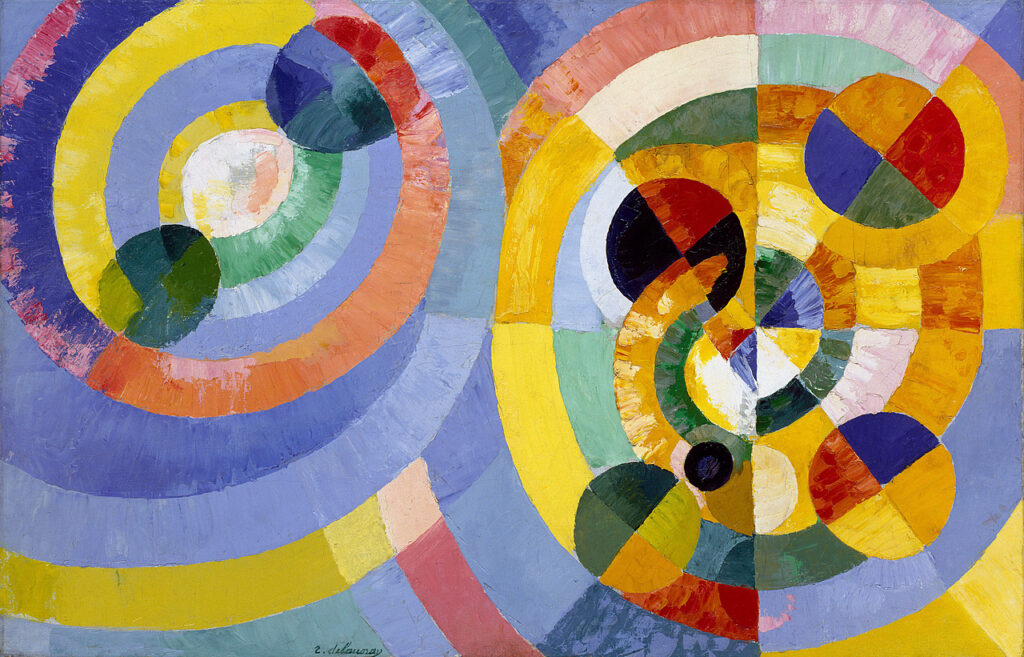
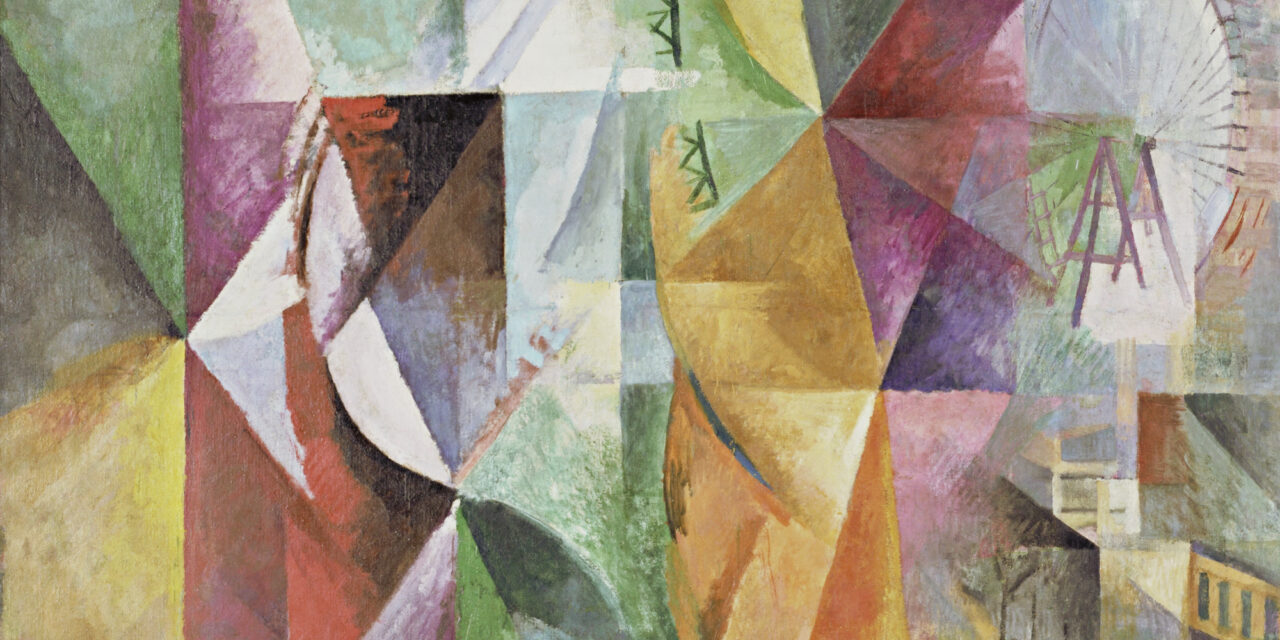
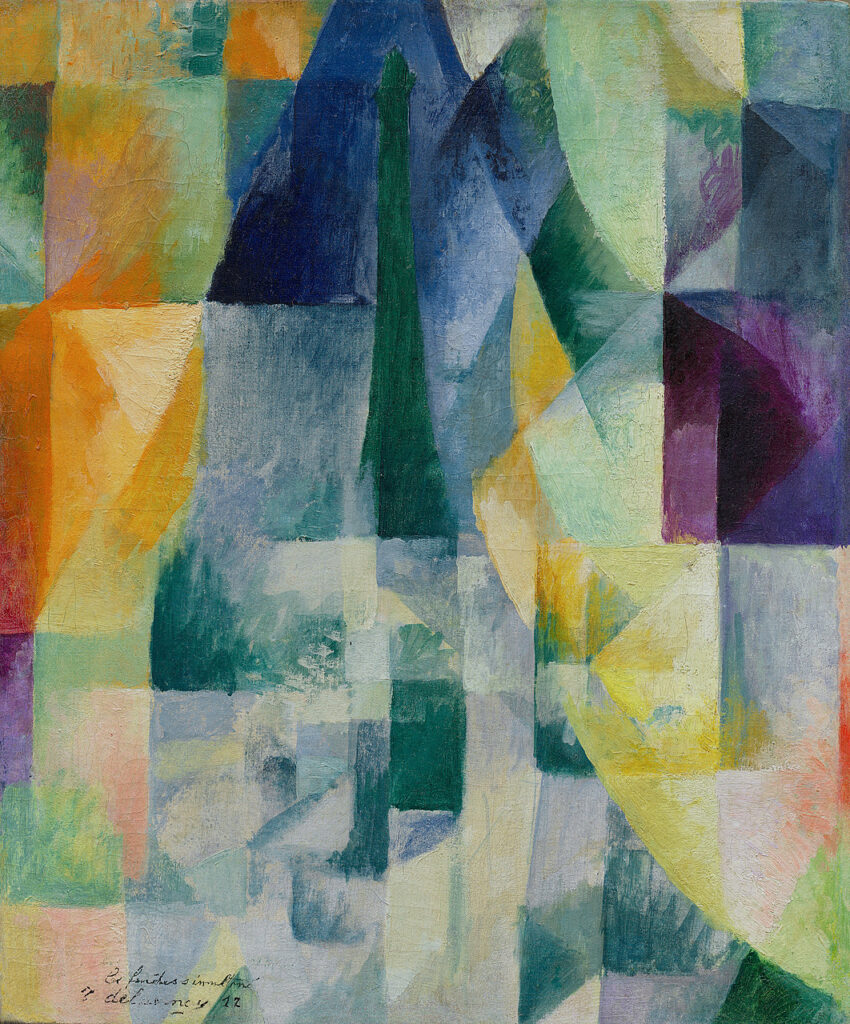
All images by French painter Robert Delaunay (1885-1941)




Absolutely gorgeous, Susan. Thanks you for this and thank you to the woman you spoke of.
Absolutely love seeing your name in print and reading your captivating heartfelt article. Shocked that u are seventy as I thought u were in your twenties still.
Glad for your discernment & intervention to help this woman.
Of course the spirits are active and present . They also recognize God….I invite u to experience /acknowledge the One Holy Spirit….
“And devils also came out of many, crying out, and saying ,”You are Christ the Son of God….Luke 4:41
You know I love you dearly forever and so proud of your life, your writings and your kindness in helping so many.
I think of u often due to the horrors in your city.
Love bella