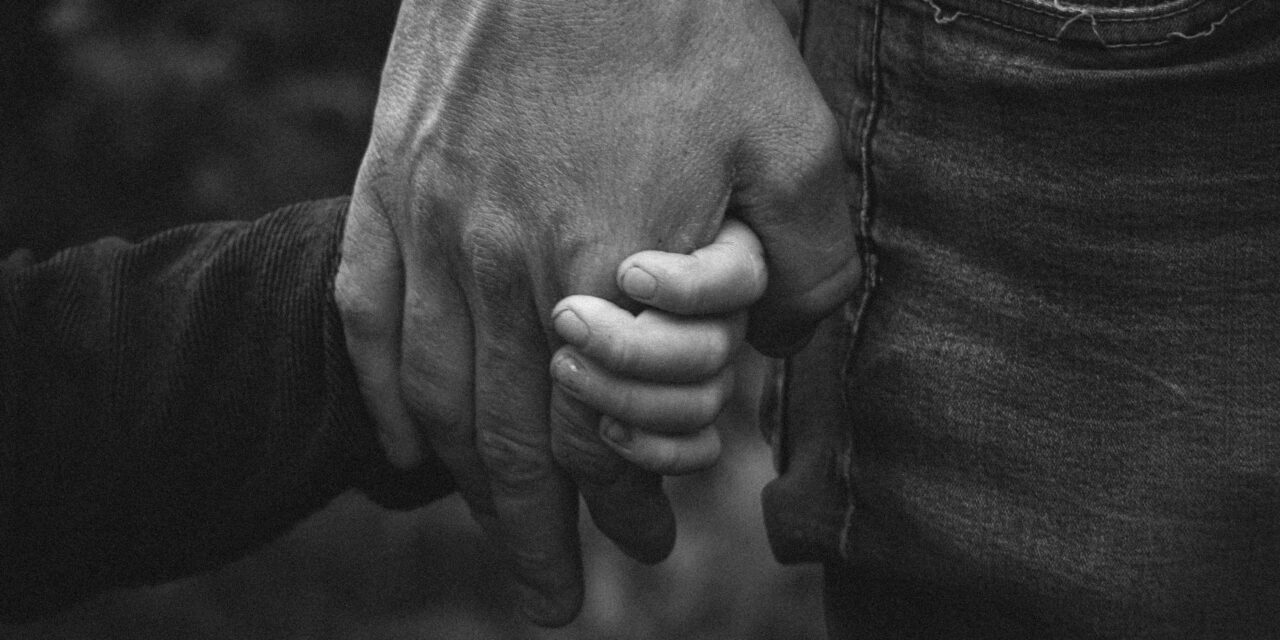
We are living in a time when speed has replaced wisdom, coping has replaced correction, and surveillance has been mistaken for care. Adults are rushed beyond their capacity to tend themselves and children are left to inherit the residue of that exhaustion. This is not because parents do not love their children. It is because love, when unprotected by rhythm, truth, and presence, becomes diluted.
I name a truth we have been trained to forget:
Our children are not “just another individual.”
They are extensions of Self.
And what we fail to tend in ourselves does not disappear—it transfers.
The Lie of Separation
Modern culture teaches us to see human beings as isolated units: autonomous, self-contained,
and responsible only for themselves. This lie fractures families, weakens communities, and
absolves systems of accountability. It tells us that once a child reaches a certain age, they are
“on their own,” and once a parent has “done their best,” the rest is out of their hands.
But inheritance does not work that way.
Children do not receive what we say.
They receive what we are.
They inherit our pace, our fears, our unspoken wounds, our unexamined habits, and our
unresolved grief. They inherit how we handle pressure, how we speak when we are tired, how
we withdraw when overwhelmed, and how we cope when life becomes too much.
This is not condemnation.
It is recognition.
And recognition is the first act of love.
Love: Recognition Before Correction
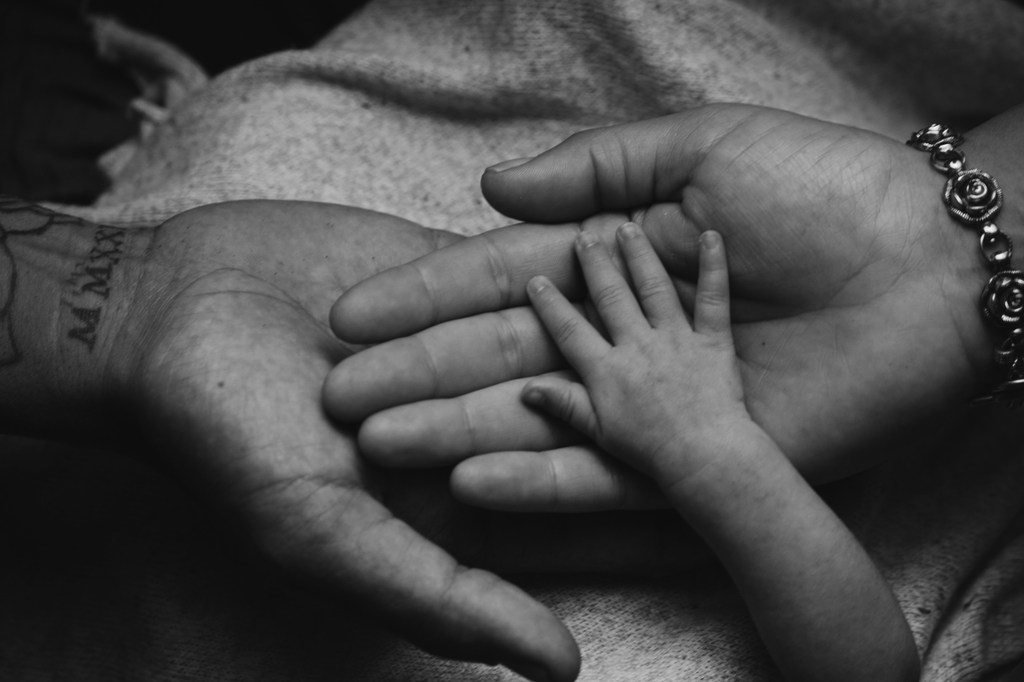
In Sumthin2Luv, love is not sentiment. Love is recognition.
To love a child is not simply to provide for them materially or protect them from obvious danger.
It is to see them—their nervous system, their developmental limits, their questions, their
confusion—and to respond with presence rather than punishment.
When love is reduced to control, children learn compliance without understanding.
When love is reduced to permissiveness, children learn freedom without safety.
True love does neither.
True love orients.
A child who feels seen is less likely to seek visibility in unsafe places.
A child who feels known is less likely to accept counterfeit belonging.
Truth: Naming the Real Threat
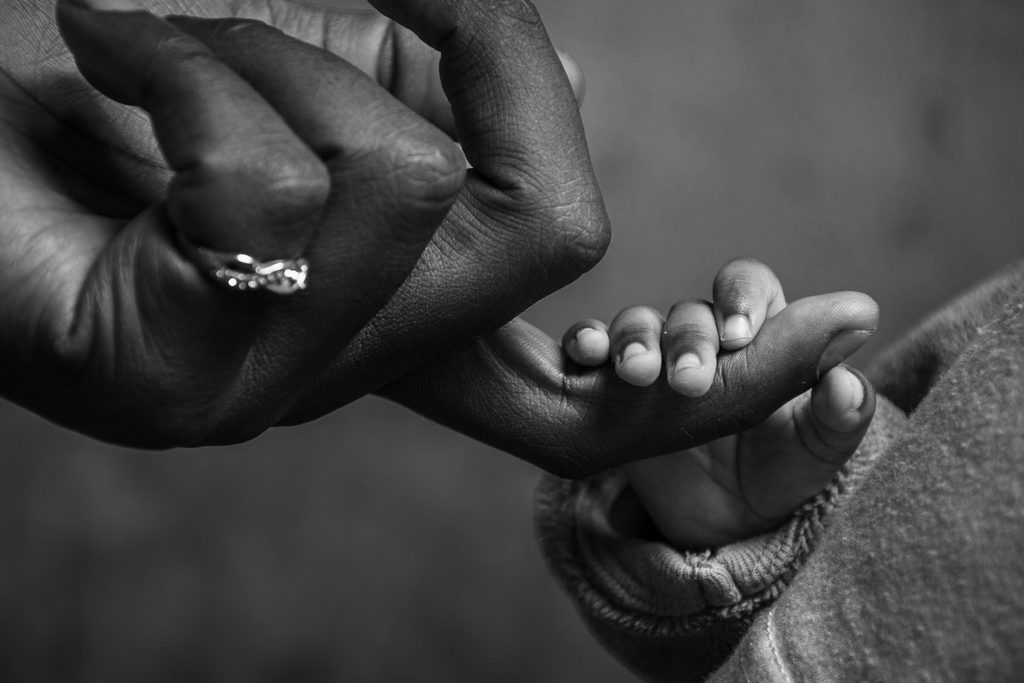
The greatest danger facing our children is not simply external predators, media, or institutions.
The deeper danger is misinterpretation.
We live in a culture that is quick to label behavior and slow to examine environment.
Restlessness becomes pathology. Withdrawal becomes defiance. Emotional flooding becomes
disorder. Instead of asking what state is this child in, we ask what is wrong with this child.
This matters because many of the behaviors we fear are not signs of defect—they are signs of
adaptation.
A nervous system trained in chaos does not calm itself by command.
A child raised in speed does not slow down on demand.
A youth who has learned vigilance does not simply “relax” because an adult tells them to.
Truth demands we stop lying about cause and effect.
Medication, diagnosis, and intervention can be tools—but when they replace presence, rhythm,
and attunement they become shortcuts that carry long shadows.
Truth is not anti-science.
Truth is contextual.
Peace: Regulation Is the Inheritance
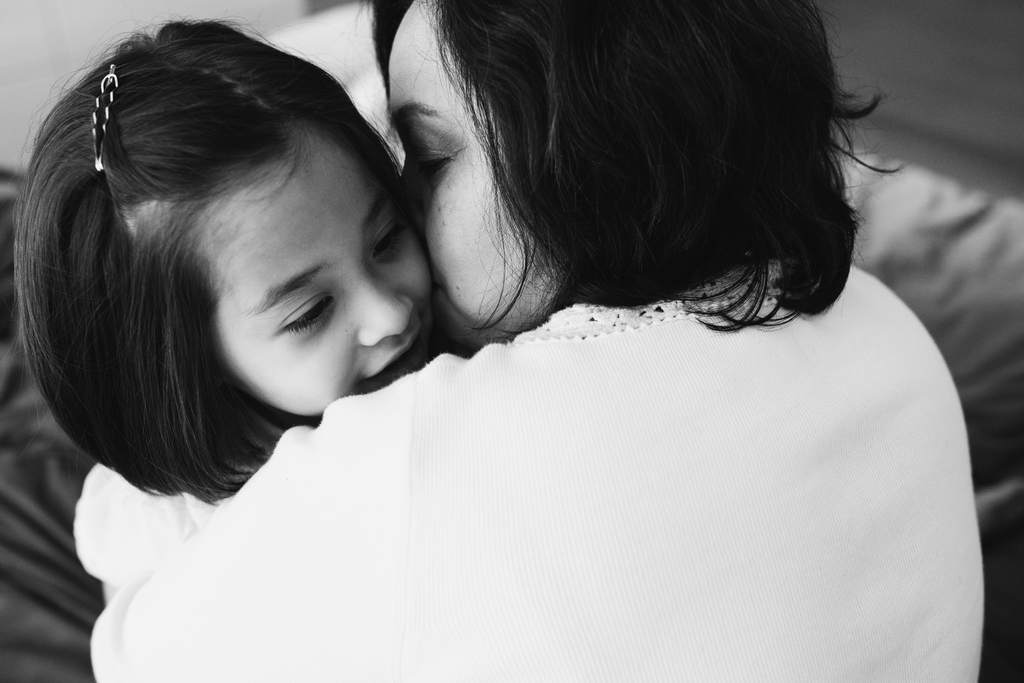
Peace is often misunderstood as silence or obedience. In reality, peace is regulation.
A regulated adult creates a regulated environment.
A dysregulated adult—no matter how loving—creates instability.
This is where the self-care ⇄ child-care loop becomes unavoidable.
When adults are exhausted, rushed, numbed, or overwhelmed, children absorb that state. Their
behavior shifts accordingly. Adults then respond to the behavior without addressing the state,
introducing coping mechanisms instead of correction. The cycle deepens.
Peace is restored not through domination, but through return:
returning to the body
returning to rhythm
returning to repair after rupture
Children do not need perfect adults.
They need adults who know how to come back to themselves.
Freedom: Guided, Not Abandoned
Freedom has been hollowed out by modern language. We are told that freedom means absence
of restriction, early autonomy, and unlimited exposure. In practice, this leaves children
unguarded in a world that is neither neutral nor patient.
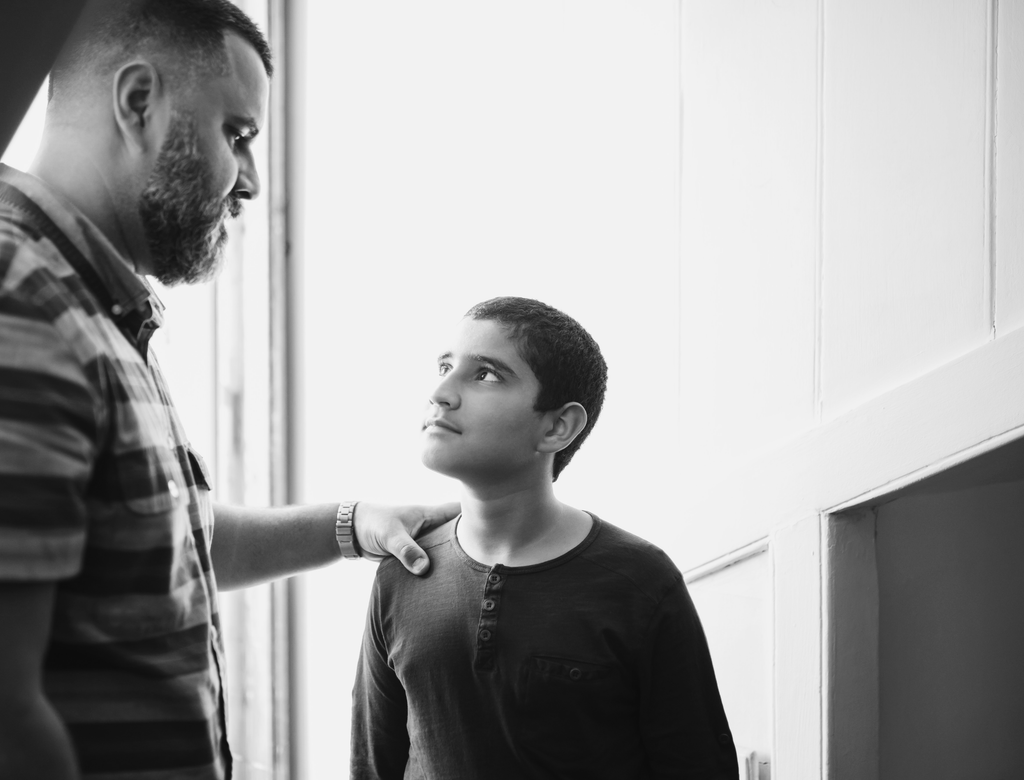
Freedom in Sumthin2Luv is guided agency. It is the slow transfer of responsibility, paired with explanation, boundary, and presence. It is teaching discernment before demanding independence. It is preparing children for the world, not
throwing them into it and calling it strength.
A child is not free because they are unprotected.
A child is free because they are oriented.
Justice: Repair Across Time
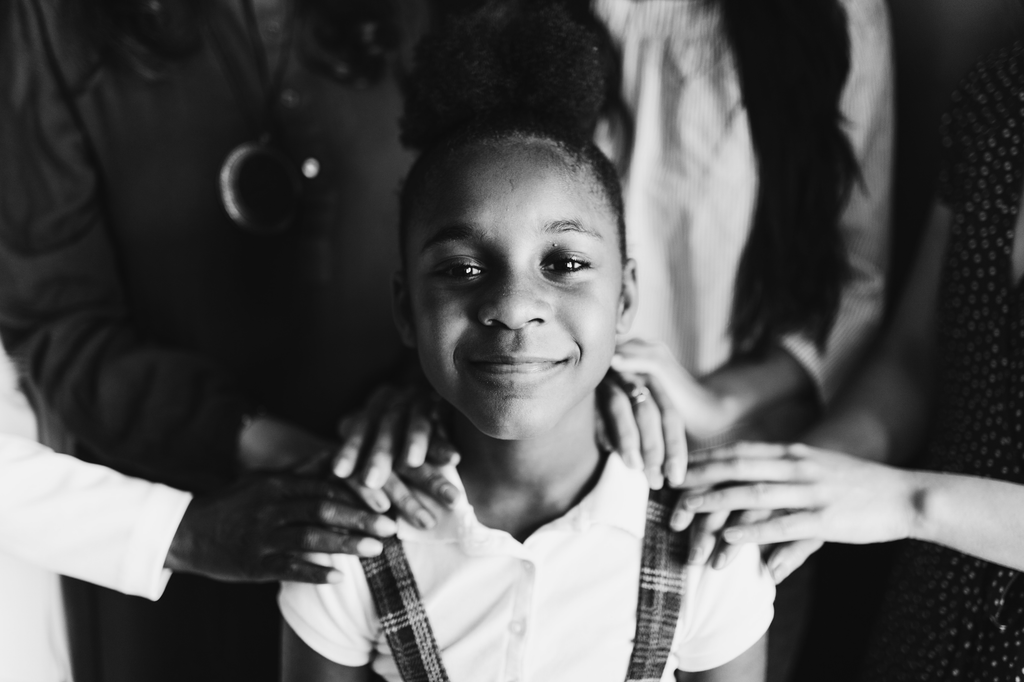
Justice is often discussed as punishment or policy. In truth, justice is intergenerational repair.
When our girls are disproportionately vulnerable to exploitation, that is not coincidence—it is
neglect made systemic.
When our boys are disproportionately funneled into punishment instead of mentorship, that is
not fate—it is abandonment with paperwork.
Justice demands that we stop asking what children “deserve” and start asking what was
withheld.
Justice begins in the home, extends into community, and confronts systems not with rage alone,
but with clarity, structure, and refusal to normalize harm.
To do better than what was handed down is not disrespect to the past.
It is honoring the future.
The Mirror Law
Here is the law that binds everything in this chapter:
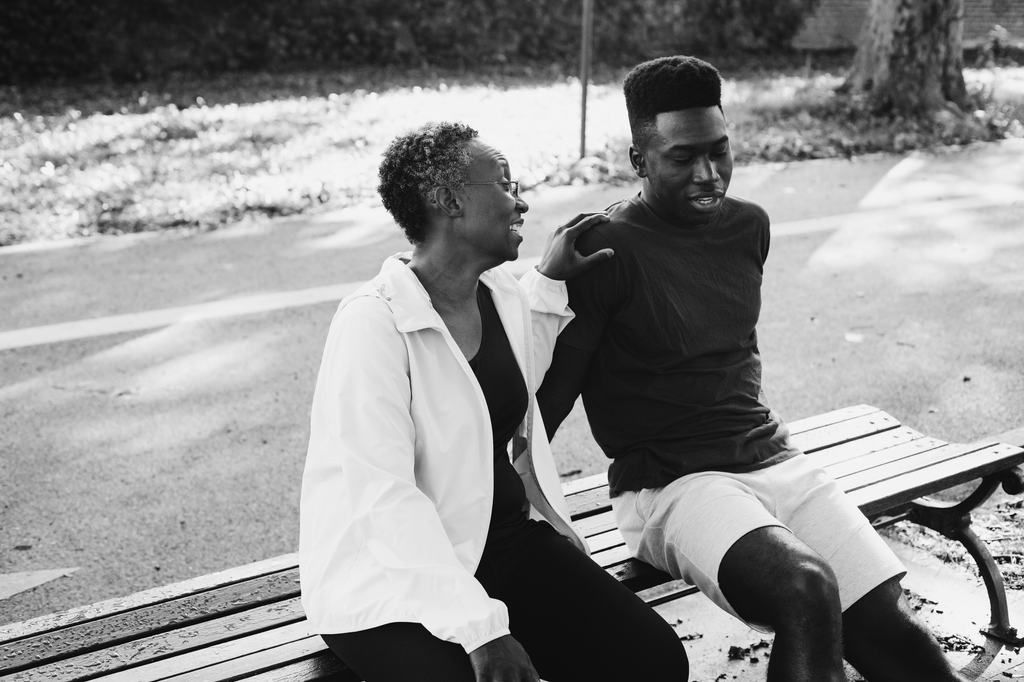
We reflect each other to each other.
Children are mirrors of adult pace.
Adults are mirrors of unresolved childhood.
Communities are mirrors of their values in motion.
What we refuse to heal in ourselves, we teach our children to carry.
What we choose to repair in ourselves, we gift them as inheritance.
This is why Sumthin2Luv insists on wholeness, not perfection. On presence, not performance.
On truth spoken without shame.
The Covenant
This is not accusation.
It is an invitation.
A covenant between generations that says:
We will love ourselves well enough to love our children wisely
We will speak truth without cruelty
We will pursue peace through regulation, not suppression
We will teach freedom with protection
We will practice justice as restoration, not delay
Our children are not “just another individual.”
They are the future expression of who we choose to be today.
And because each of us is capable and worthy of loving and being loved, the generations
coming behind us deserve more clarity, more safety, and more truth than we were given.
This is not idealism.
This is responsibility—embraced.