
“It says here that you’ve been experiencing panic attacks,” she said, eyes skimming my intake questionnaire like she was choosing from a menu. “Have you ever tried—”
I nodded before she could finish, already embarrassed.
I could not imagine that breathing in for five and releasing for ten would reach the parts of me that felt broken. Breathing would not make me hate myself less. It would not make me a better Muslim. Could breathing give me a new brain? And behind the gentleness of her voice, I could still hear the aunties whispering that depressed people were possessed by the devil. That good Muslims didn’t fall apart. They simply needed to pray more.
So I prayed.
Five times a day. And when that didn’t feel like enough, I prayed more, as if I had to reach some invisible quota. As if I could outrun my own mind with devotion.
But while I was praying, I wasn’t journaling. I wasn’t calling a friend. I wasn’t looking in the mirror like the therapist suggested, whispering kind things I did not believe.
Still, no matter how many rakat of prayer I completed, or how many hours I spent talking to God, I woke each morning with dread pressed heavily against my chest.
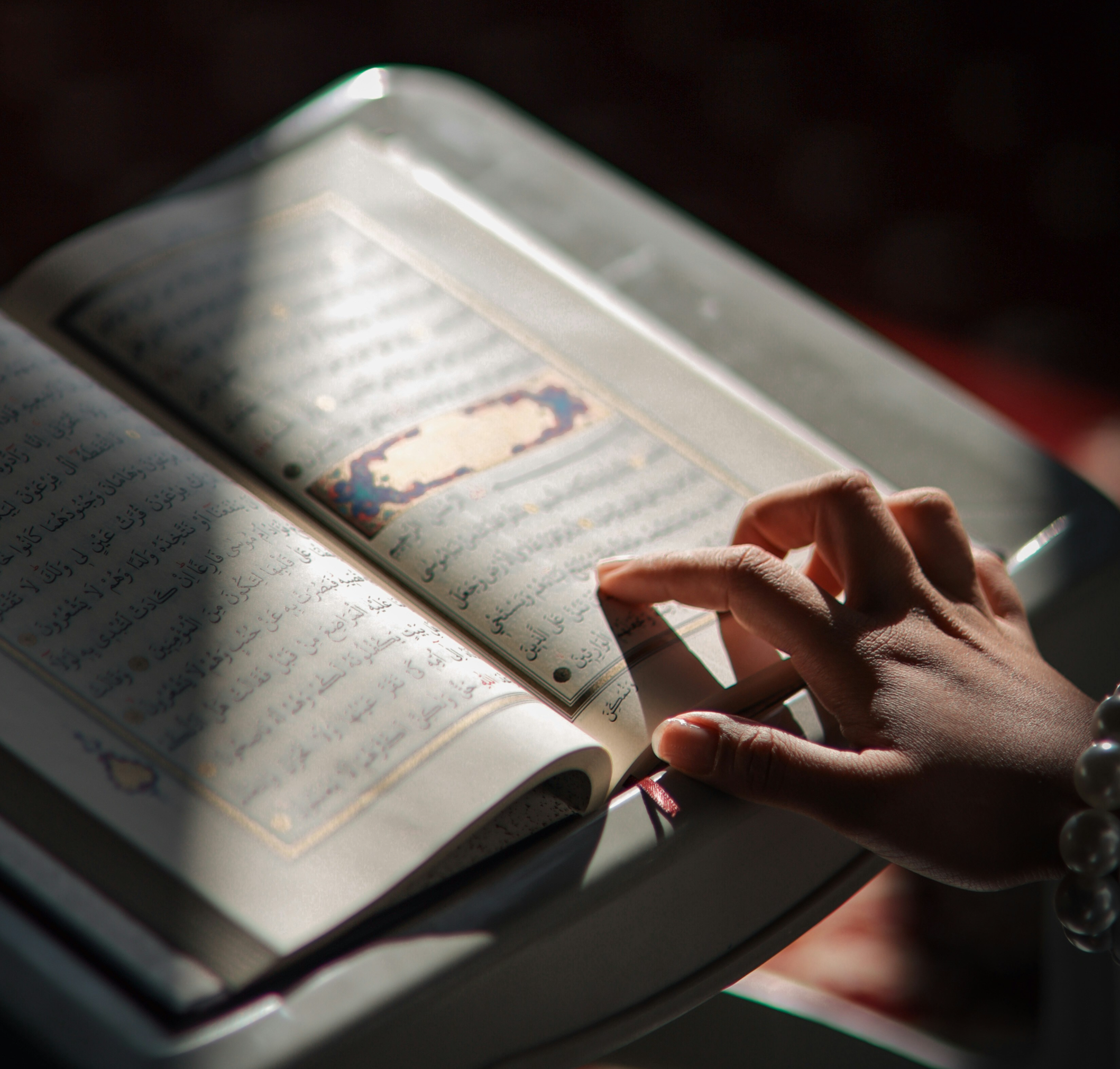
How much more Quran would it take to become the kind of believer who does not fear tomorrow?
“We made good progress today,” she said softly. “It was brave of you to come.”
I stared at the carpet, folded into the corner of the absurdly long couch, still feeling like I was taking up too much space. Brave was not the right word. I felt exposed. Disloyal.
She stood, her notebook tucked beneath her arm, pages filled with notes about my unraveling. I imagined the phrases written there: anxious, religious guilt, cognitive distortions. Pages in her notebook she would probably review before our next session, paired with countless strategies for me to try.
But it was no use.
There would not be another session.
I left her office convinced of one thing: if breathing could fix me, then why hadn’t prayer? The question scared me more than the panic ever had. Too afraid of what it suggested, I quit and never turned back.
That summer, I turned myself into a project. I prayed carefully, precisely. I corrected my tajwid. I read the Quran twice. Memorized four surahs. I started antidepressants quietly. I endured three panic attacks and didn’t tell anyone.
I was trying to prove something. I’m still not so sure to whom.
Somewhere between prayers, I began reading about the prophet Muhammad, peace be upon him. I learned what is known as the “Year of Sorrow,” when he lost his wife and uncle in the same year, when grief crept in from every direction, when revelation itself paused. I read about the first descent of revelation, how he trembled and begged to be covered.
What startled me wasn’t that he suffered.
It was that God did not withdraw from him when he did. He sent down words of reassurance instead: Your Lord [O Prophet] has not abandoned you, nor has He become hateful [of you] (Quran, 93:3).
I would close the Quran and sit there for a long time, wondering whether those words could stretch far enough to reach me.
I started college still unsure.
I chose a Catholic college in downtown Boston, certain I would practice my faith quietly and go unnoticed. Instead, my roommate was Muslim too.
We met on orientation day. Her mother approached mine, drawn, perhaps to the hijab, and within hours we were assigned to the same narrow dorm room.
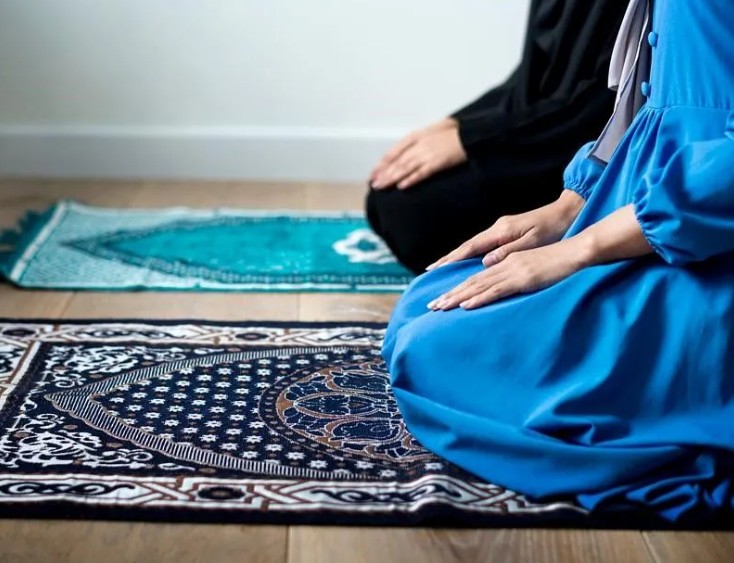
We learned each other slowly. Apologizing profusely for closing drawers too loudly, smiling politely even when we didn’t feel like it. We prayed shoulder to shoulder between our beds, without ever asking how the other felt about faith.
I assumed she had it figured out.
One afternoon, my best friend from home, Halime, visited. We sat cross-legged on the blue carpet. It was the first time the two of them met, and I watched them move from polite small talk to arm-grabbing, head-thrown-back laughter. My heart swelled at the sight.
“I’ve been praying lately,” Halime admitted, suddenly.
I blinked. She had worn a hijab for years. I thought she had faith figured out.
“Me too,” my roommate said quietly. “I only started when I came to college.”
Something in my chest loosened and tightened at the same time.
A month of living together, and we had never said this out loud.
I stared at the carpet and did something that felt scarier than therapy.
I told them I loved God, and still woke up drained. I told them I did not understand why God allowed suffering. That my trust in God and anxiety were pulling at each other’s necks. And that sometimes, I prayed and felt no different afterward.
I was afraid, I told them, that admitting I needed help meant that my faith was stained.
They listened quietly to every word. And when I finished, they did not correct me. They did not prescribe more prayer or suggest breathing exercises.
They simply pulled me close, and the weight in my chest lifted.
It was not dramatic. No angel descended into our dorm room. But for the first time, my faith did not feel like a test I was failing.
It felt shared.
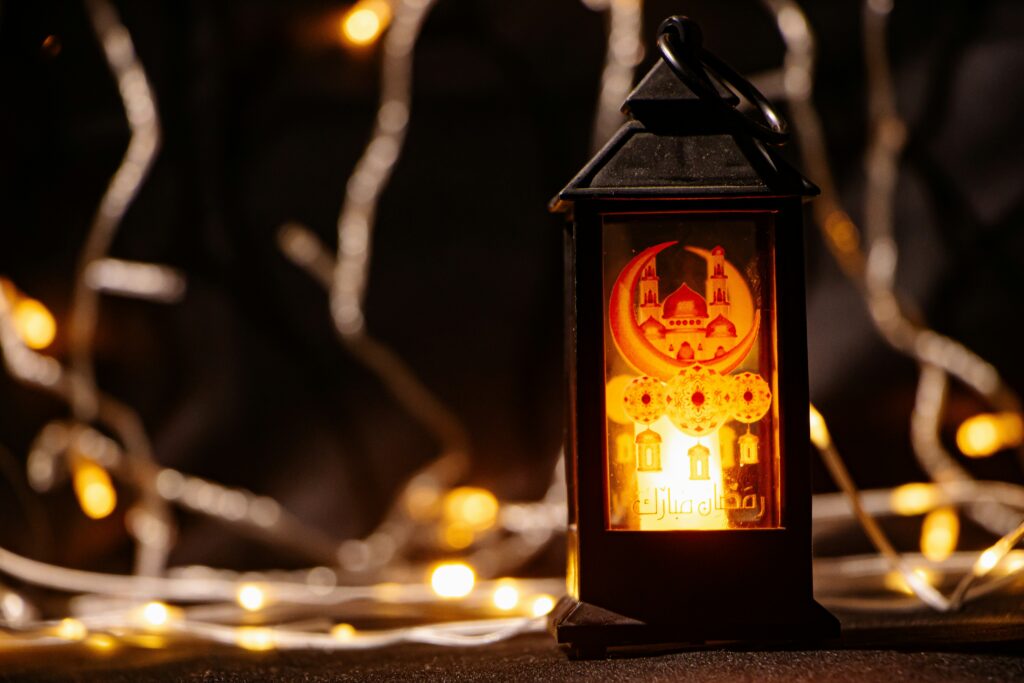
The call to prayer chimed from my phone, and together, we stood to pray.
When my forehead touched the ground in prostration, I whispered:
Ya Allah, you are An-Nur, the one who lights the way, so place light in my heart and guide me to what is good for me.
I still spiral over text messages. I still panic over small things and let them grow teeth in my mind. Most days, prayer steadies me. Other times, I rise from it still shaking.
I am beginning to see that I was never asked to choose. Not between God or a therapist. Not the Quran or medication. Every person who brings me comfort, every moment that offers relief—they all flow from the same source.
When I lifted my head from prostration, my face was wet with tears. I sent blessings upon Muhammad, peace be upon him, a man who trembled and was still beloved.
Maybe one day I will sit on another absurdly long couch and let someone help me breathe.
Not because my faith failed.
But because being held—by friends, by medication, breathing exercises, and therapists—does not make me a bad Muslim.
It just makes me human.




Beautiful, thank you!
This was so amaizng!! a MUST READ for sure!!