
Abandoned beside a pond under a full moon, so the story goes, Kabir was raised by Muslim
weavers in fifteenth-century Benares, that city of pyres and pilgrims where death and awakening
pass each other daily on the steps. In a land ruled by the Delhi Sultanate, where temples and
mosques stood as rival claims to truth, Kabir slipped through every net of belonging. His lineage
remained uncertain, like his God: formless, vast, intimate. He was a question mark in human
form.
Kabir belonged to no sect and spoke to all. He could not read or write, yet his songs reached the
heart of scripture. What others sought in sacred texts, he found in silence, in the body, in the beat
between heartbeats. Meantime, the world around him was splitting along lines of caste and creed.
Hindus kept their gods behind closed doors. Muslims called the faithful to prayer from minarets.
Each side claimed the divine, each guarded the gates. Kabir walked past the gates, looking
neither left nor right. He walked straight into the center of the soul:
“The Brahmin is searching for God in the temple,
The Mullah in the mosque.
But I found him in my own breath.”
Kabir stripped away the outer husks of religion to reveal what remains when forms fall away.
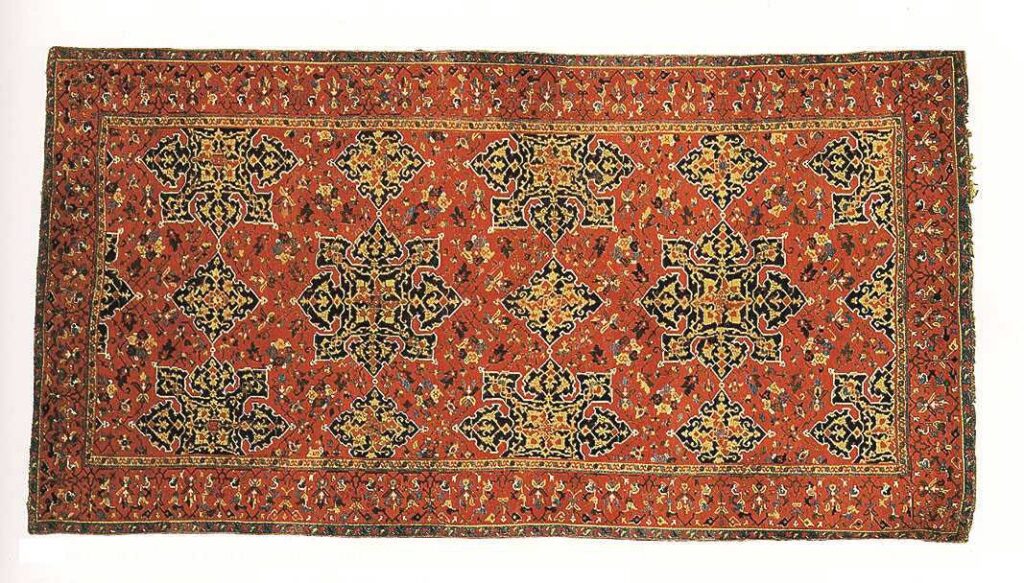
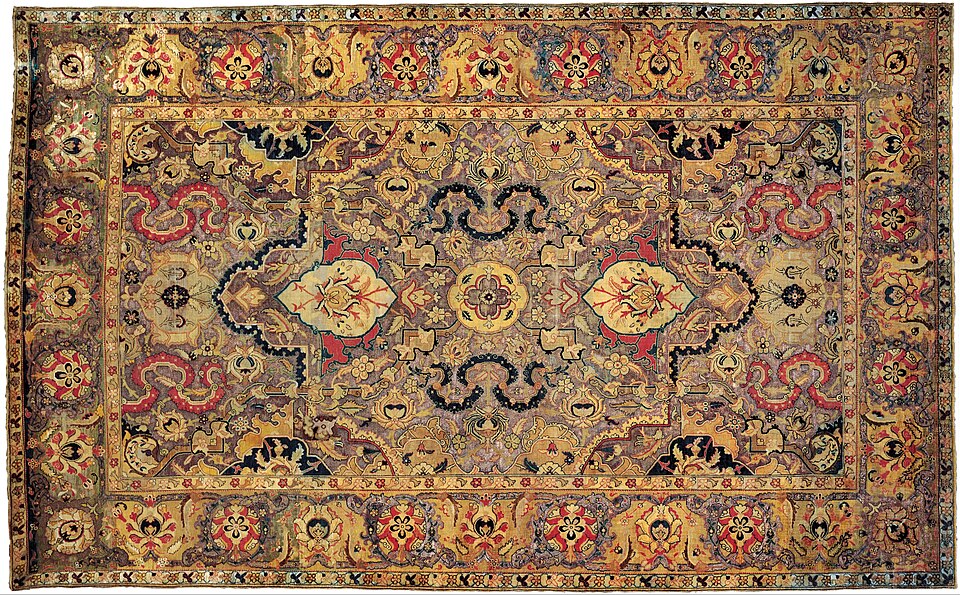
As a weaver by trade, Kabir stitched verse the way he stitched garments. His loom was the
present moment. His warp and weft were longing and clarity:
“The musk is in the deer,
Yet it searches outside itself.
The scent that drives it
Rises from its own navel.”
This is the thread that runs through all of Kabir’s poetry: what you are seeking is seeking you.
He did not call this God by a single name. He sometimes said Rama, sometimes Hari, or simply
That. The name was not the point. The presence was.
He spoke in riddles, meant to outwit the mind. Kabir’s paradoxes make the listener sweat, bend,
break open. How else to point to what cannot be spoken?
“I laugh when I hear
The fish in the water is thirsty.”
He saw through the illusions that others built their lives around. And yet, he was tender. He could
speak of God as lover, as guest, as secret companion brushing against one’s shoulder. For Kabir,
the sacred was not somewhere else. It was always here, breathing beside you:
“Are you looking for me? I am in the next seat.
My shoulder is against yours.”
He did not glorify suffering, yet he understood that longing is a fire that refines. He did not
pretend to purity. He spoke from the middle of the human muddle. His devotion was bodily,
broken, whole. His life was his poem.
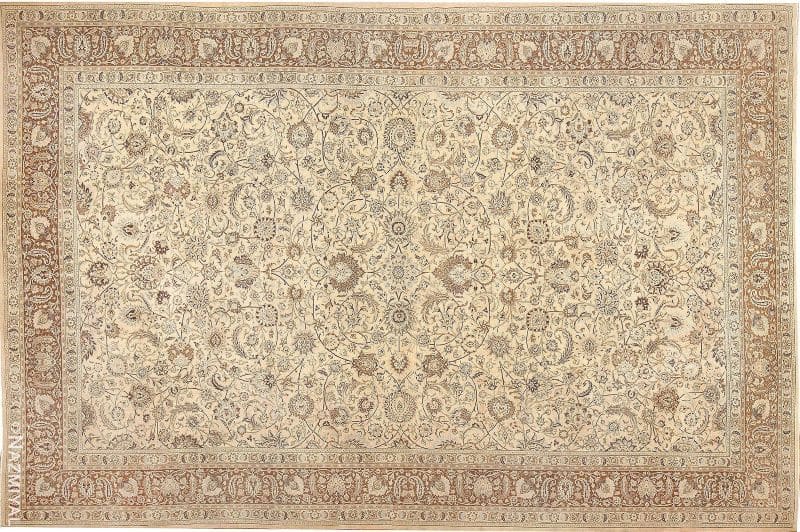
The metaphor of weaving deepens here. Kabir invites us to look at the body as a loom. Thought
is the shuttle. Breath is the thread. The fabric we make is the fabric of attention. All people, all
feelings, all impulses are part of the pattern:
“Look at your body—
A town where saints and thieves live side by side.
Who are you to say who should stay?”
His poems traveled by foot, voice, memory. Recited in marketplaces, scribbled on scraps, passed
from mouth to mouth like illicit prayer. He belonged to the low caste of weavers, yet his verses
reached the court and the monastery. His language was simple, his metaphors homegrown, but
his insights shone through the centuries.
He appears again in the bhajans of Mirabai, in the Gitanjali of Tagore, in the protests of Faiz, and
in the silences between Rumi’s lines. Gandhi carried him in his satchel. Saints, rebels, and
seekers still walk by his light. But Kabir asks no one to follow. He only asks that we turn within:
“The river and its waves are one surge.
Where is the difference between river and wave?”
Even in death, Kabir eluded possession. Hindus wanted to cremate him. Muslims wanted to bury
him. But when the cloth was lifted from his body, there were only blossoms. Half were given to
fire, half to earth. The rest rose in song.
Kabir is still singing. In the mouths of wandering singers. In the margins of manuscripts. In the
hearts of those tired of secondhand beliefs. He sings for the soul who seeks truth. He reminds us
that grace is always available and the holy rises from within:
“I have burned my house down.
Now I see the moon.”
“O seeker, where do you seek me?
I am already beside you.”
“The jewel is in the lotus.
Open your eye.”




Beautiful post.
I’m grateful for your attention.
Thank you, this was full of treasures to savor.
Thank you, for your affirmation. ‘Theologians may quarrel, but the mystics of the world speak the same language.’
—Meister Eckhart
A most beautiful post, thank you