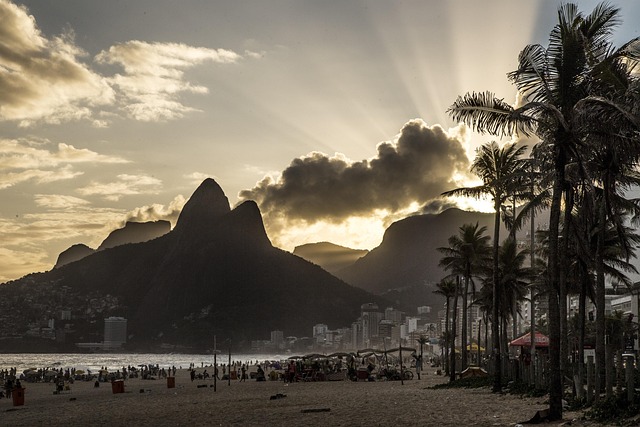
A few years ago, I spent a few months teaching ESL in Rio de Janeiro, a city that brims with contrasts—lush mountains meeting shimmering coasts, colonial charm juxtaposed with modernity, and cultural rhythms pulsing beneath the surface of daily life. I rented a room in Santa Teresa, a bohemian neighborhood perched on a hill near Corcovado. My apartment offered a breathtaking panorama: Sugarloaf Mountain standing sentinel over Botafogo Bay, the sunlit sprawl of Flamengo Beach, and the ever-watchful gaze of Christ the Redeemer atop Corcovado Hill.
The air In Santa Teresa was alive. Every morning, monkeys peered curiously into my windows, and toucans nested in nearby trees, their bright beaks glinting in the sunlight. Chlorophyll and damp earth scented the breeze, mingling with the distant, melodic strains of samba and forró drifting up from the favelas. It was here that I first encountered Candomblé, an Afro-Brazilian religion steeped in spirit and history.
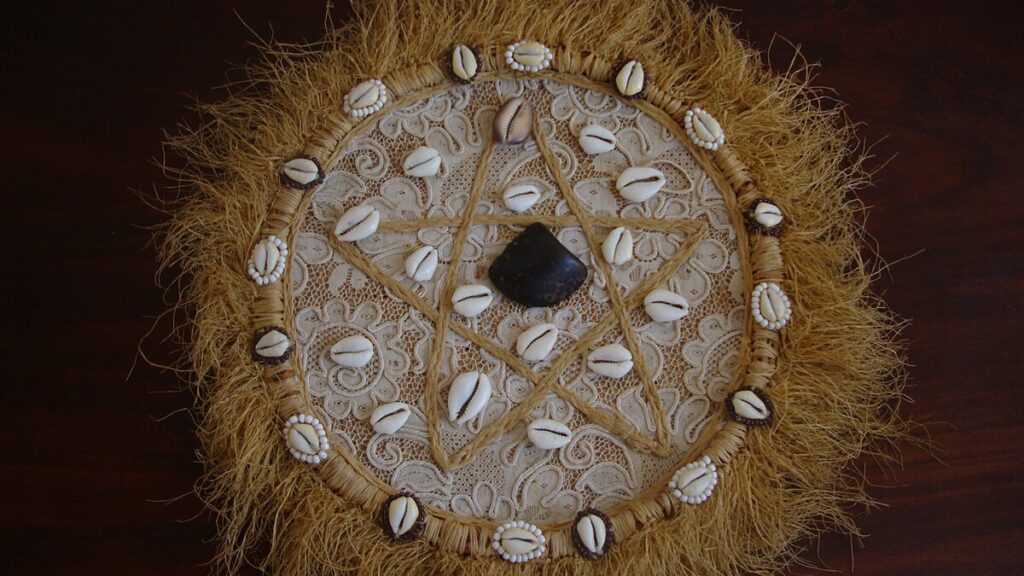
My roommate, a devoted practitioner of Candomblé, had filled our apartment with small altars and statues of Orishas—deities representing natural forces and human archetypes. Occasionally, he performed rituals in our living room, lighting candles and leaving offerings of fruit and flowers. He also played traditional Candomblé music, rhythmic and hypnotic, a conversation between drums that seemed to pull at the edges of my consciousness. From my room, I found myself lulled into a meditative calm, deeply curious about the power of these sounds.
One evening, my roommate handed me a copy of City of Women by Ruth Landes, an anthropologist who studied Candomblé in the mid-20th century. Through her work, I learned about the religion’s origins: how enslaved Africans brought their spiritual practices to Brazil, secretly preserving them under the guise of Catholic saints. This syncretism allowed Candomblé to survive centuries of suppression and become a testament to cultural resilience. Intrigued, I accepted my roommate’s invitation to attend a ritual at a terreiro—a house of worship—outside the city.
At the Terreiro: A Sacred Ritual
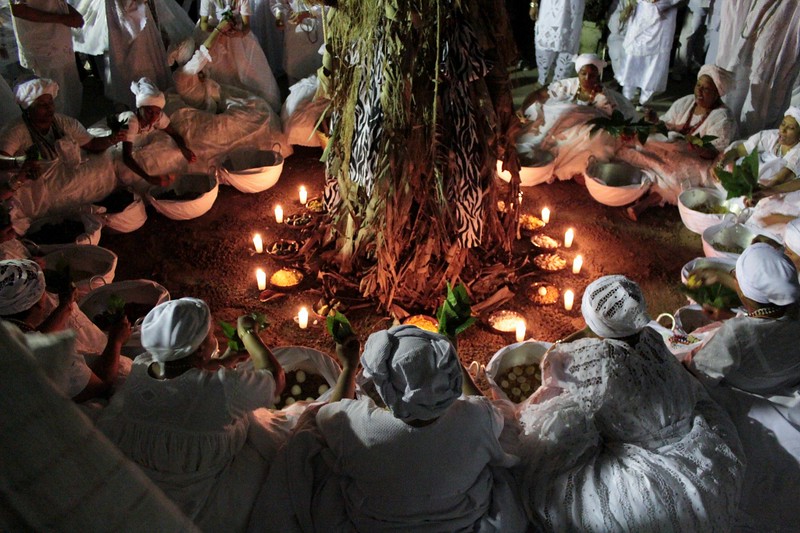
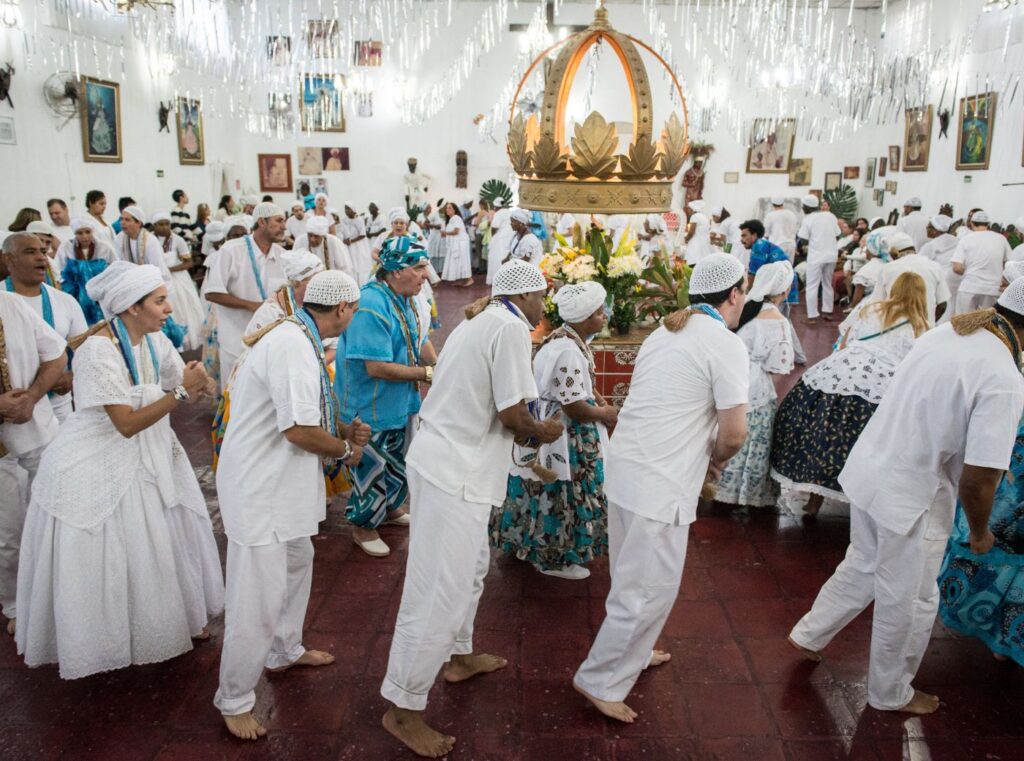
The terreiro exuded a quiet energy, a feeling that something profound was about to unfold. Priestesses dressed in flowing white greeted us at the entrance, their movements graceful and serene. Their presence was magnetic, as if they carried the weight of generations on their shoulders yet moved with lightness.
The rhythmic drumming had already begun, reverberating through the room like a heartbeat. The women formed a circle, their white dresses billowing as they danced in unison. Their movements seemed less choreographed and more like a natural response to the rhythms, as if the music were speaking directly to their bodies. Watching them was like witnessing doves in flight, their movements both deliberate and free, a graceful surrender to the invisible.
My roommate explained that the ritual was a process of inviting the Orishas to inhabit the dancers. This preparation began days before, as the participants mentally and spiritually attuned themselves to the moment. The energy in the room grew more palpable as the ceremony progressed.
Suddenly, one of the dancers collapsed. Her body writhed on the ground, her eyes rolling back as she entered a deep trance. Others followed, their cries piercing the drumbeats as they fell under the Orishas’ possession. Priestesses rushed to assist the fallen, carrying them to another room. When they reemerged, their transformation was striking—they wore elaborate costumes symbolizing the Orisha now inhabiting them, their expressions radiating an otherworldly presence.
For an outsider, the intensity of these moments might seem overwhelming, but within the terreiro, it felt like the most natural thing in the world. Each gesture, each drumbeat, was part of a language both ancient and alive.
A Timeless Connection
The experience at the terreiro was more than a ritual—it was a bridge between the past and the present, a connection to a spiritual lineage that has survived centuries of displacement and oppression. Candomblé is not just a religion; it is a repository of memory, a celebration of resilience, and a living expression of Brazil’s African heritage.
For me, witnessing this ceremony was transformative. It reminded me of the ways spirituality connects us to something larger than ourselves, transcending time and geography. The power of Candomblé lies in its ability to hold space for both individual and collective healing, offering a window into a world where music, movement, and spirit intertwine.
If you ever find yourself in Rio, I urge you to look beyond the city’s surface—the beaches, the carnival, the iconic landmarks—and seek out its soul. Attend a Candomblé ritual, but do so with humility and respect. Step into the terreiro not as a spectator, but as someone willing to listen and learn. You may find, as I did, that such experiences leave you not just as a traveler, but as someone transformed by the journey.