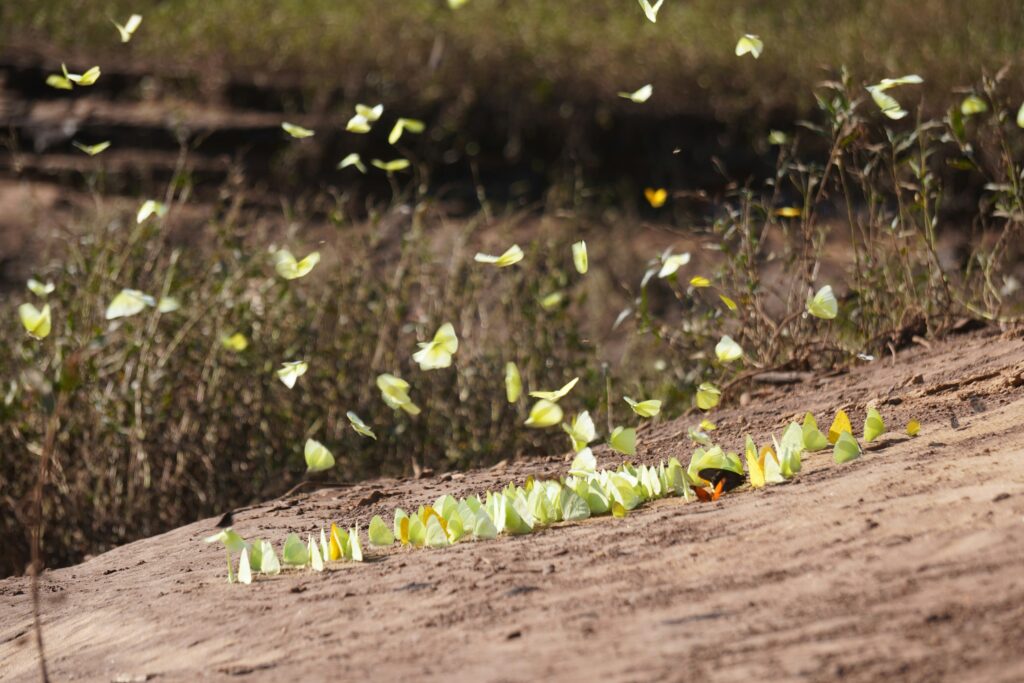
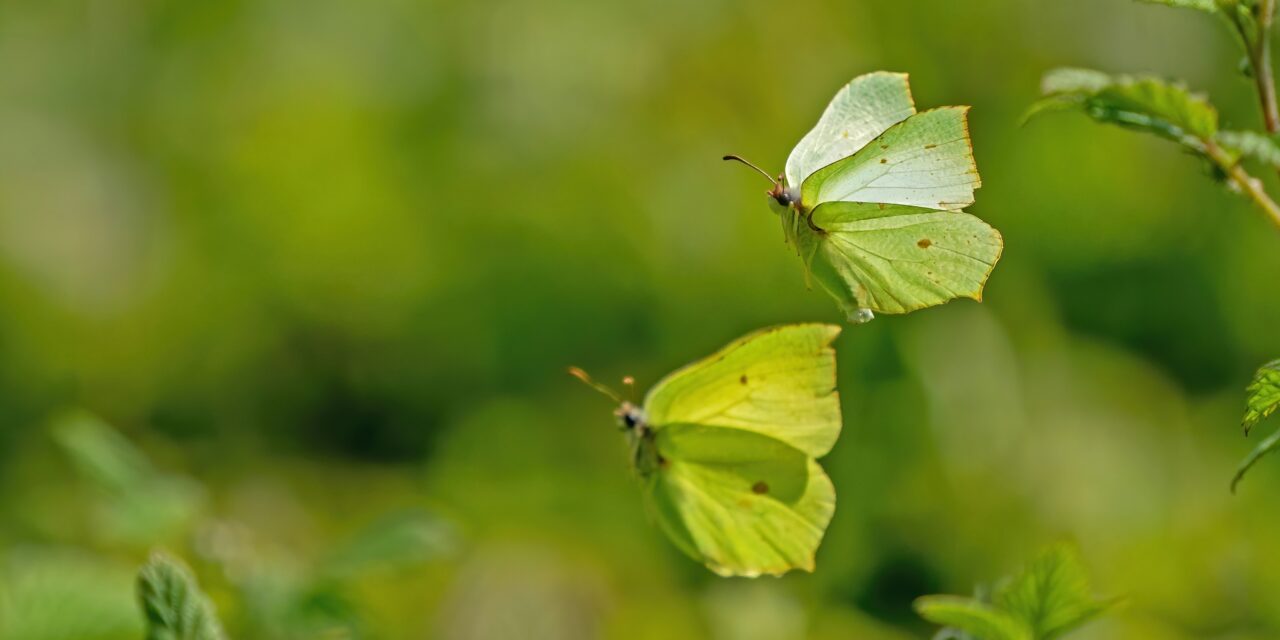
Butterflies flit about the citrus trees a few feet above the damp earth, and I feel
it was all done in love by the gardener from Chiapas who works here now.
When I hear him say bicho instead of lombriz, I think of Diego, the priest I knew
and once loved, who was abducted under cover of night in the highlands of
Guatemala and dragged down ravines and up hills and killed. The death squad
nailed him to a tree: a warning to his people to shut up and go their way.
Once, after making love, we lay in his bed, giggling, for down the hall we heard
footsteps of his seminarians running to class, and then, suddenly, beautifully, he
rose again. “Edwin,” he said, “no one is ever exiled from the garden, ever.”
I know that now.
I know that the communion of saints is love. Love in the hands. Love in the feet.
Love in the eyes. Love in the brutally busted mouth of a saint.
I do not know God, but I remember you, Diego.
You traced circles round my eyes with the finger you sometimes angrily pointed
at soldiers when they said that a priest’s place is at home. You stood naked at
the foot of our bed, crying. I know that you sat by me when I told you, and only
you, of this eternal sadness that I sometimes think love is, and that you asked
me, begged me, to leave now, so that I might be safe, so that you might see me
again after the war and love me again.
I know what I know now: the little white yellow and green butterflies flitting
about are joyous and joyful, living and unconscious, as most beautiful things are.
I know the smell of the earth under the citrus tree.
I know you at the window of our small cabin, standing, looking out to the hills,
and the highlands beyond the hills, thinking, thinking of what it meant to choose
life now during the war, to choose me and your love for me, and the alertness,
the awareness that love makes in us who love.