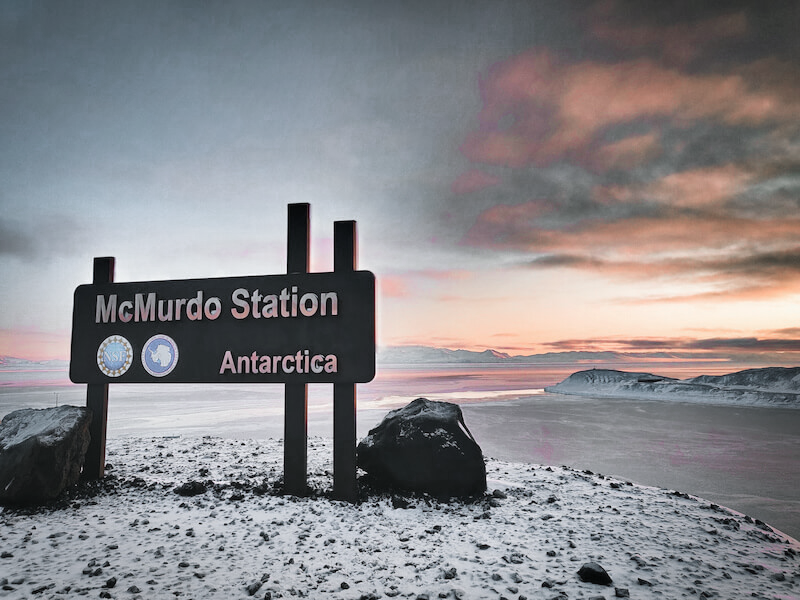
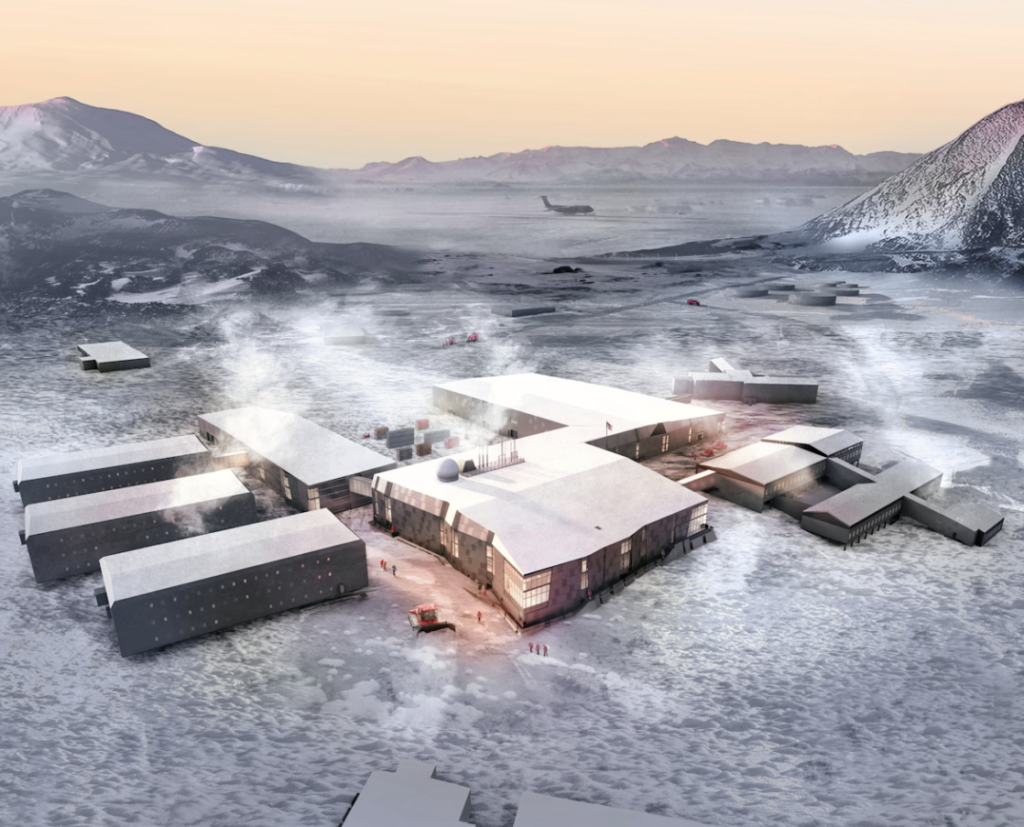
It doesn’t seem like it’s been almost 20 years since I’ve been to the bottom of what is the perfect description in Dante’s Inferno–the bottom of hell, where it is just cold, dark, wind blown, and void of life–the South Pole.
Every spring since then brings back memories, not haunting memories, but memories of appreciation and thanksgiving and watching Jane work her flower beds. I get to sit on the porch and watch and reflect on those days of years ago.
It must be something in the air that stirs up this romance with spring, but the air at the South Pole doesn’t have a scent; it just has a temperature. It’s a dry, sterile cold that grinds on the back of your throat and tastes of recycled CO2 and JP-8 jet fuel. I spent months living inside a mechanical wonderment of sustainment; a high-tech life-support pod bolted to the bottom of the world. Out there, the horizon is a flat, white sterile lie that tells you there is nothing left in the universe but you and the generator that produces seasons for you.
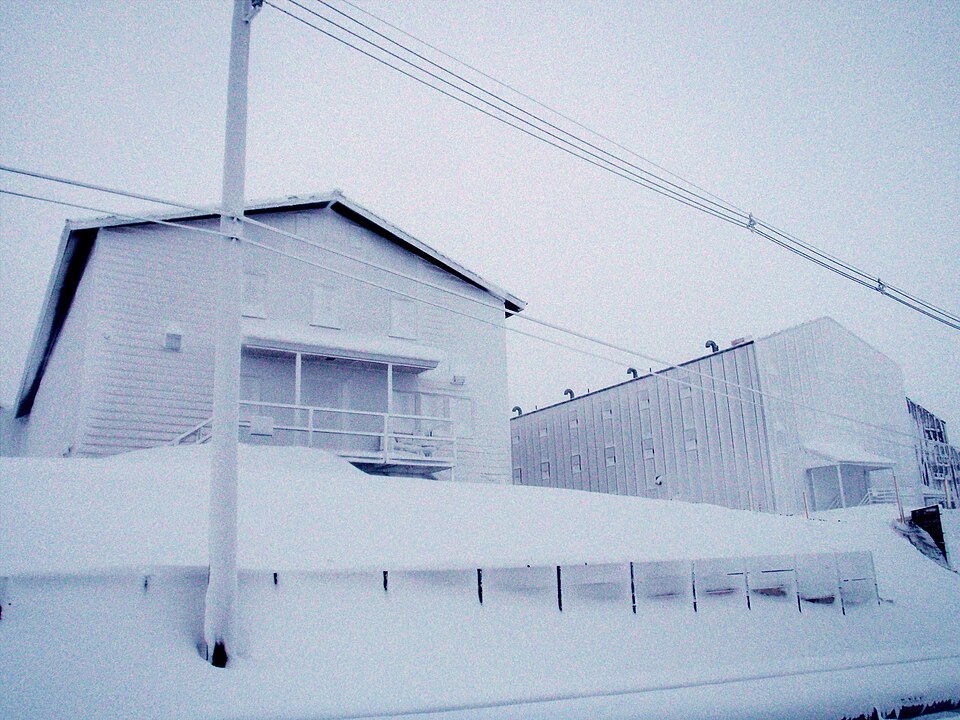
McMurdo wasn’t a city; it was an open gash of a wound on the ice. It smelled of old grease, burning diesel, and the stale breath of 800 people crammed into metal boxes. Everything was covered in a fine layer of volcanic dust, turning the snow into a clammy, industrial slush. Walking between buildings, you didn’t look at the mountains; you looked at the pipes. Miles of insulated veins carrying heat and water were the only things keeping our 1,000-yard stare from turning into a permanent frosty “toasted” look. The same instinctive look that the visiting seasonal predators gave you, their beady eyes wondering if you were part of the food chain.
I’d watched the scientists working on lunar projects in the dry valleys. They lived in a prototype shelter, a bubble of plastic and hopeful conclusions that simulated life on the Moon. They’d sit in there for days, tracking oxygen levels and psychological “drift.” I’d see them through reinforced portholes, staring into the middle distance of here and yon. Why would anyone choose this? To them, it was a mission. I suppose maybe just to see if the void had any mercy in its nature? To me, it was voluntary torture in a place that fundamentally rejected any idea of a sane life.
Then came the South Pole. If McMurdo was a scrap yard, the Pole was a laboratory in a freezer. The altitude is a slow thief. At 9,300 feet (feels like 11000), your heart hammers out a frantic rhythm against your ribs, trying to find oxygen that isn’t there. You move like an old man—I was—calculating every step because a stumble isn’t just an embarrassment, it’s an exhausting drain on the dwindling battery of your own body heat. The hum of the station followed me into sleep. It was a mechanical lullaby that reminded you: If I stop, you stop; and what am I doing here.
The flight back home was a long, pressurized transition from the hell of the ice to the world of the living. But the stale air had real life and sounds added. When the airport doors slid open I saw the one who always brings me back to life and as we walked to the car, the world broke open.
It wasn’t just the light, it was the smell. Miles away, someone was cutting hay, we followed my nose right to it. The scent hit me like a Hulkster body slam—sweet, dusty, and aggressively living. It was the smell of soil and sweat and a thousand things living and dying in the dirt without needing a power source to do it. It was an all five sensory awakening that made me realize how few people really appreciate their own fragile and dependent existence.
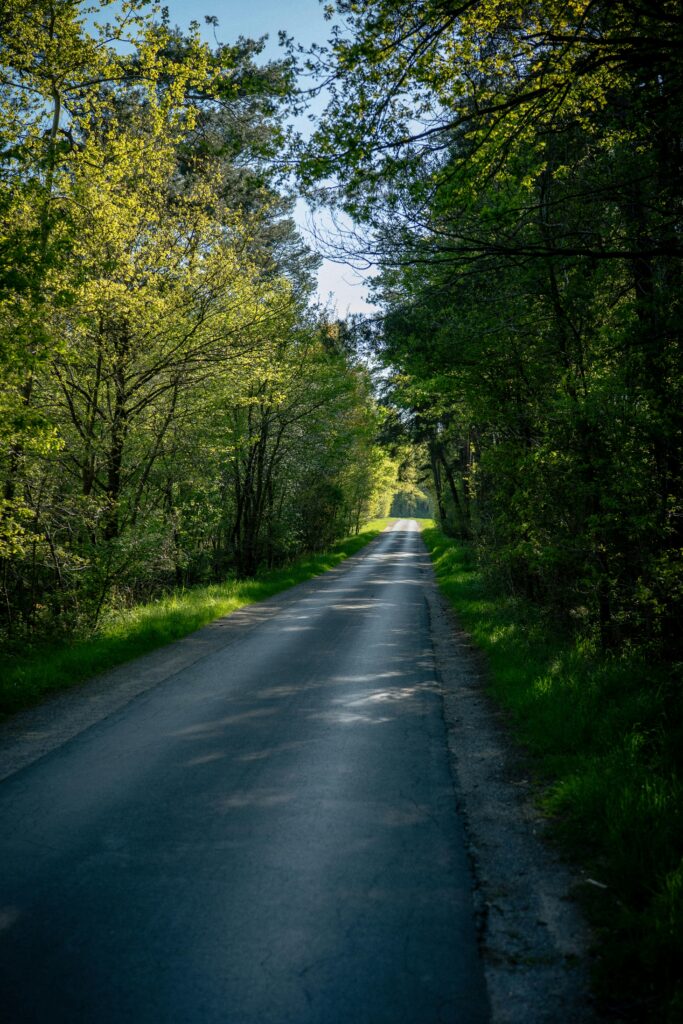
Now, I sit on the porch and watch my wife in the yard. Spring is her time for action. She moves through the dirt like an artist on a cloud, her skilled hands stained black with real, honest-to-goodness earth. She’s part of a cycle of care that is the direct opposite of the mechanical survival I left behind. I ask if she wants me to help, but she just shakes her head.
Observation is my favorite art show now. I smell real soil and watch the birds, the flowers, and the way the shadows move across green grass. They don’t need a lunar module or a diesel tank. They just need each other. I’ve seen the void, and it made me a witness to the miracle of the everyday. I sit in my chair, feel the heavy, humid air in my lungs, and simply appreciate watching things be alive.