
It would take me years to understand what I had been witnessing.
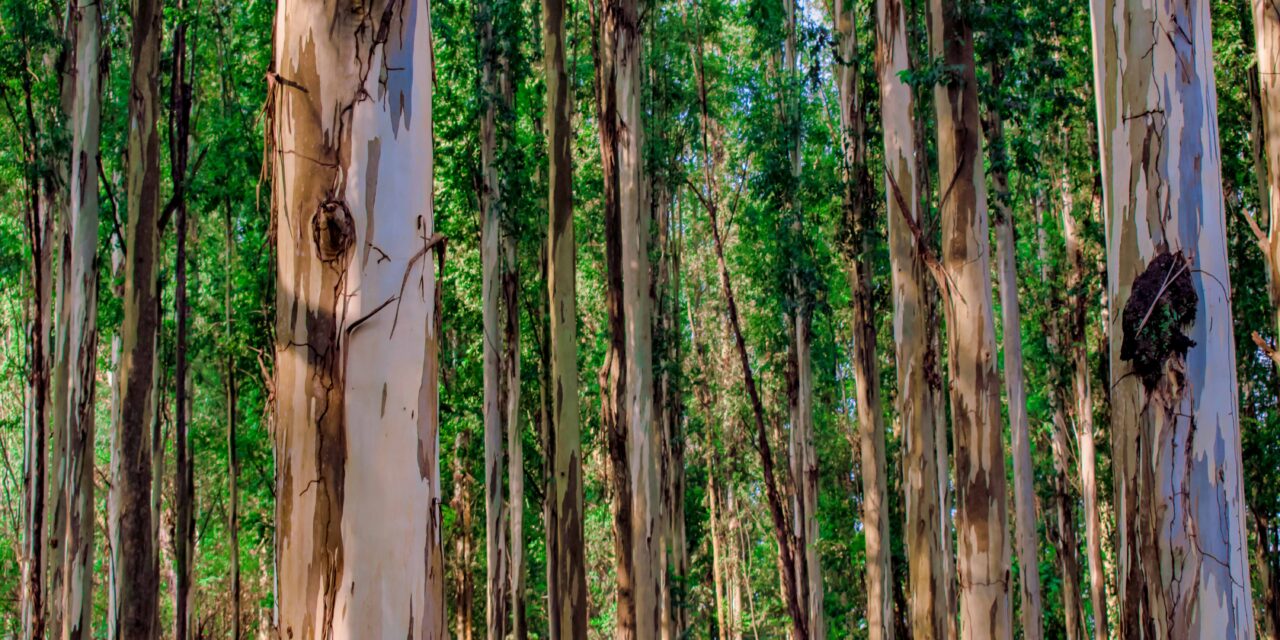
At the Mercado, the women moved with quiet certainty. Bundles of ruda, albahaca, eucalipto, and flor blanca were tied in twine and stacked across wooden tables, their scents rising into the humid air. To an outsider, they might have looked like ordinary plants. But, the women who carried them knew otherwise.
These were not simply herbs.
They were remedies.
Protection.
Memory carried in leaves.
No one explained their purpose.
No one needed to.
The women already understood what the body carried, what the spirit held, and what needed to be cleared.
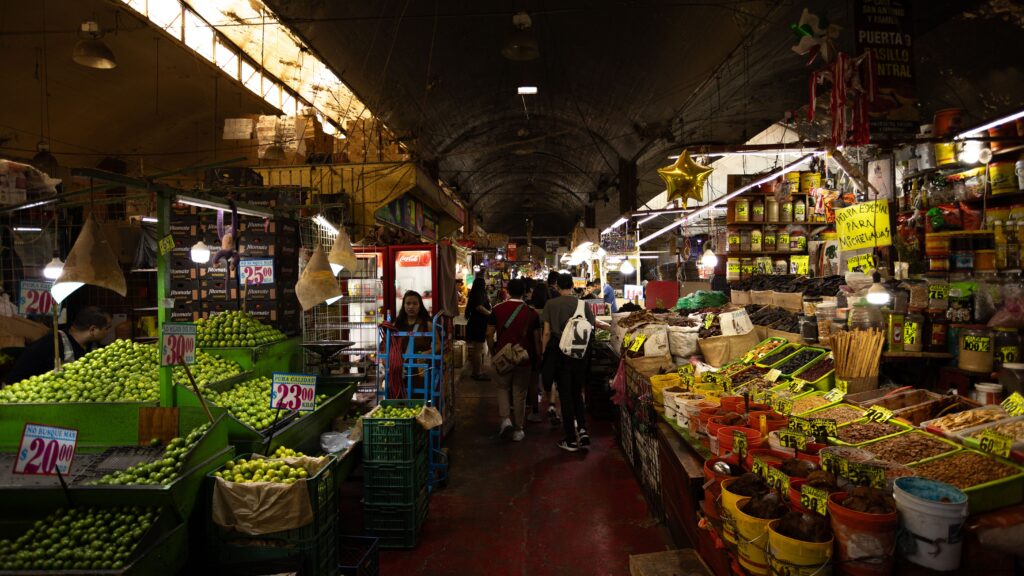
These herbs were used for baths that did more than cleanse the skin. They cleared heaviness, heartbreak, and envy. In the homes of my childhood, rituals lived quietly inside everyday routines. A glass of water might be placed behind a door to catch what lingered. Salt might be sprinkled across thresholds. A red ribbon tied around a baby’s wrist to keep away the mal de ojo (evil eye).
I remember one afternoon when a neighbor came to our door carrying a small bundle of herbs tied with twine. My grandmother welcomed her in without asking many questions. The woman looked tired, the kind of tired that lives behind the eyes.
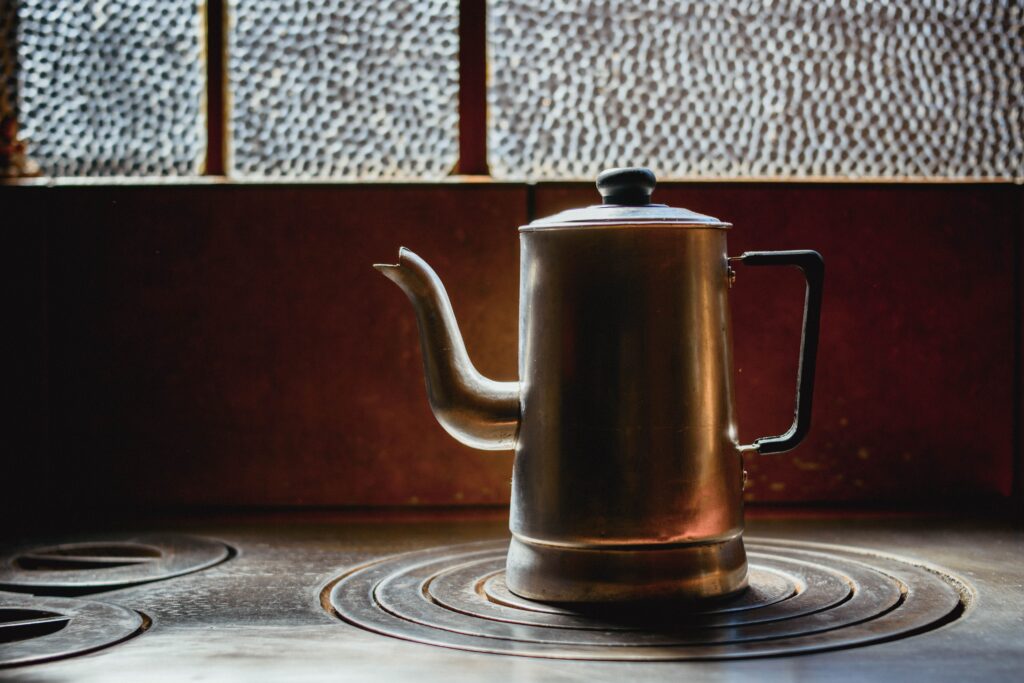
My grandmother placed a pot of water on the stove and dropped the herbs inside. The room slowly filled with the scent of ruda and eucalyptus. Steam curled toward the ceiling as she whispered words I could not fully hear.
I stood quietly in the doorway watching. No one explained what was happening, but the atmosphere in the room felt different, as if something unseen had entered with us.
When the water cooled, my grandmother poured it gently over the woman’s hands and shoulders. The woman closed her eyes as if the warmth carried something away with it.
No one called it healing.
It was simply what the women in our neighborhood did when someone needed help.
No one called it witchcraft either.
It was simply part of life.
Because you knew things could cling.
You knew there were forces beyond the eye.
I was already surrounded by Spirit, not the kind dressed in robes behind altars or confined to churches. The kind that lived in soil, in the steam rising from boiling herbs, and in the quiet strength of women who healed with their hands, yet never called themselves healers.
My childhood in Ecuador held many memories that have softened over time, but some things remain vivid. I remember the women my neighbors trusted. Their hands were always busy preparing tea, crushing leaves, stirring water infused with herbs. They knew what plants to brew for a cough, what leaves to rub across a feverish chest, and what quiet prayers to whisper when someone could not sleep.
Their knowledge came from somewhere ancient, though rarely spoken of directly. It lived in gestures and habits rather than explanations. It was referenced in passing, like an old story everyone respected but no one fully explained.
Though they never called themselves Indigenous or Curanderas, I have come to understand that their knowledge did not come from books or clinics. It came from the land. From ancestors, lineages older than any map or government. The region around Guayaquil had long been home to coastal tribes who understood the tides, the stars, and the language of plants long before colonization reshaped their world.
The women I knew looked modern with city clothes, fluent Spanish, lives shaped by work and responsibility. Their spirits carried something older. The way they prepared baths, whispered prayers, and moved through the world with quiet certainty echoed something sacred.
In ways I didn’t yet understand, I had already been shaped by an inheritance I could not yet name.
As a child, I often sensed things others seemed to miss. I noticed the energy in a room before anyone spoke. I felt presences I couldn’t explain. At times, it felt as though something unseen walked alongside me, not frightening, but familiar.
Back then, I didn’t have language for any of it.
For a long time, these memories lived without explanation. I carried them without questioning where they came from or why they felt so familiar.
Years later, during a quiet moment with my mother, a question that had been circling in my mind finally surfaced.
“Mami,” I asked gently, “does anyone in our family have spiritual gifts?”
She paused before answering, as if she were reaching back through years of memory. When she finally spoke, her voice carried a tone I rarely heard; something close to reverence.
“Yes,” she said softly. “Your great-grandmother.”
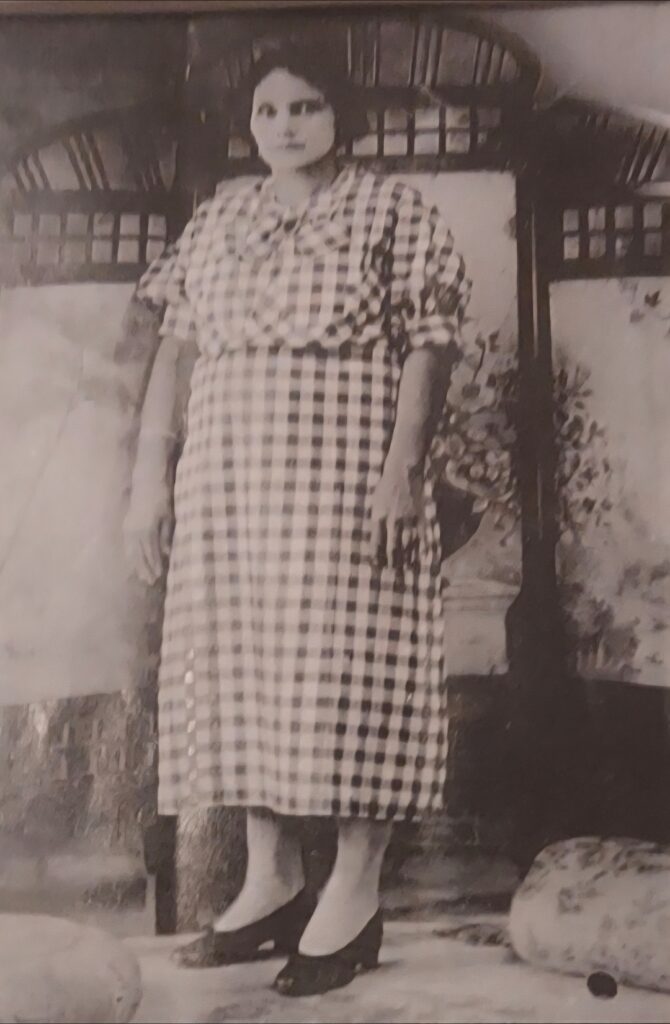
She told me about a woman I had only known through photographs and scattered stories. My great-grandmother, she explained, had been a curandera. People came to her not for medicine but for healing. She used herbs to cleanse homes and bodies. She gathered with other women who shared the same knowledge, women who knew which plants to boil, which prayers to whisper, and which rituals could ease the burdens people carried.
Their wisdom moved quietly through their lives, never announced, never celebrated, but always respected.
Then another memory surfaced, one my mother seemed almost surprised to remember.
“I saw her once smoking a cigar,” she said, her voice dropping slightly. “She wasn’t just sitting in her rocking chair. She was reading someone.”
My mother paused, choosing her words carefully.
“It wasn’t her voice,” she continued. “It was as if something else was speaking through her. She wasn’t pretending. She knew.”
In that moment, something inside me shifted.
The visions.
The dreams.
The quiet sensations that had followed me since childhood.
They weren’t random.
They weren’t new.
They were inherited.
My gifts weren’t just mine.
They were echoes.
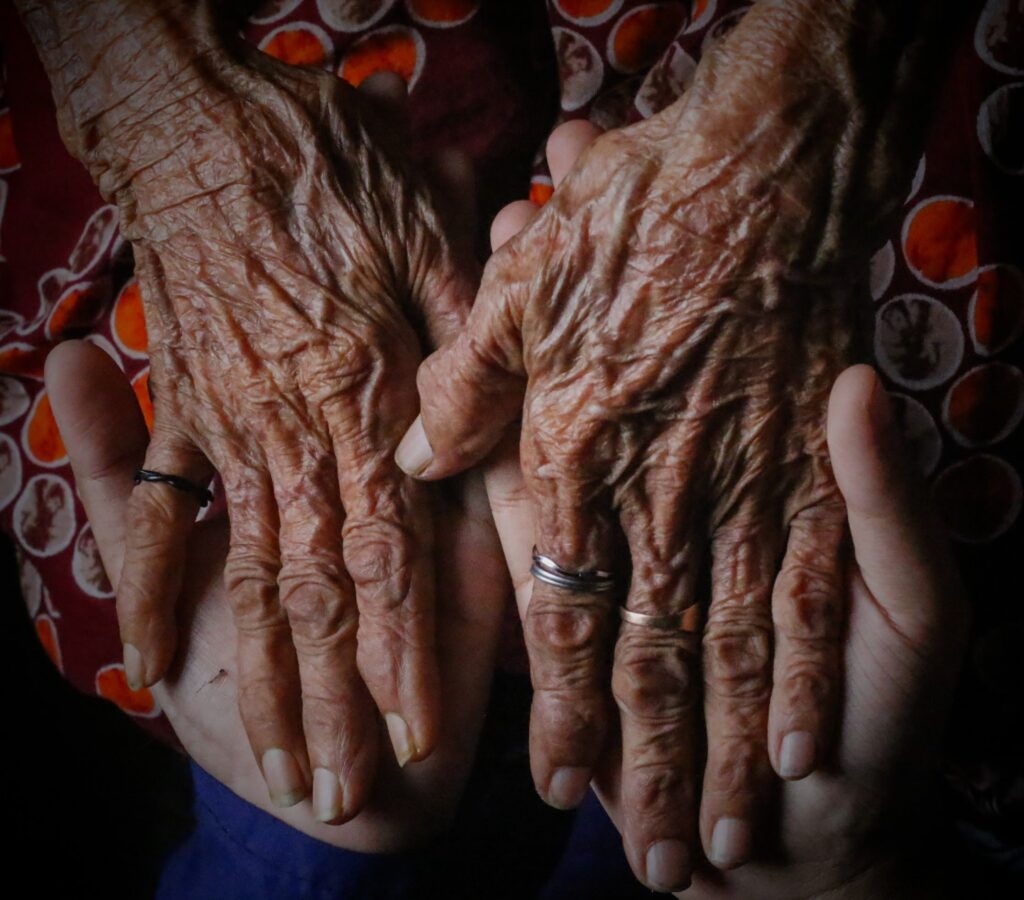
Suddenly, many of my childhood experiences made sense in ways they never had before. The moments when I felt watched over, the times I sensed something others could not see, the strange familiarity of rituals I had never been formally taught; all of it seemed to trace back to a lineage that had been quietly waiting behind my life.
I began to understand something else, too: prayer and practice were never separate. The herbs worked because intention was poured into them. Plants were boiled, sometimes scrubbed together to release their juices, sometimes steeped longer if their strength needed softening. Words were whispered quietly as the steam rose from the water.
Healing was not simply about the plants.
It was about the spirit carried within the act.
I remembered my mother preparing baths for us when we were children. She never made a spectacle of it. There were no elaborate rituals or dramatic gestures. Yet I could see the quiet focus in her movements, the steadiness of her hands, the calm in her breathing, and the softness of the words she spoke as the herbs steeped.
Perhaps she had learned those gestures from her grandmother. Perhaps they lived within her in ways she never fully explained. Either way, something had been passed down.
Looking back now, I see how those early impressions stayed with me long after we left Ecuador. Even when I tried to blend in, to move through life without drawing attention to the things I sensed, the memory of those women and their quiet wisdom remained.
The healing I witnessed as a child did not belong to one person or one moment. It was carried through generations by women who never claimed titles, never called themselves spiritual leaders, and rarely spoke about the depth of what they knew.
Their medicine lived in silence.
And in that silence, their knowledge survived.
Today, when I think about those markets, those kitchens, those whispered prayers, I realize that my spiritual path did not begin with visions or dreams later in life. It began in Ecuador, in the shadows of market stalls, in the steam of herbal baths, and in the steady hands of women who carried sacred knowledge without ever naming it.
It wasn’t religion.
It was remembrance.
A different kind of inheritance.
Mantra
I come from the medicine of the earth. I carry what the silence taught.


The “something unseen” is in your words. I can feel it too. Beautiful!
Thank you so much. It means a lot to know you could feel it through my words.