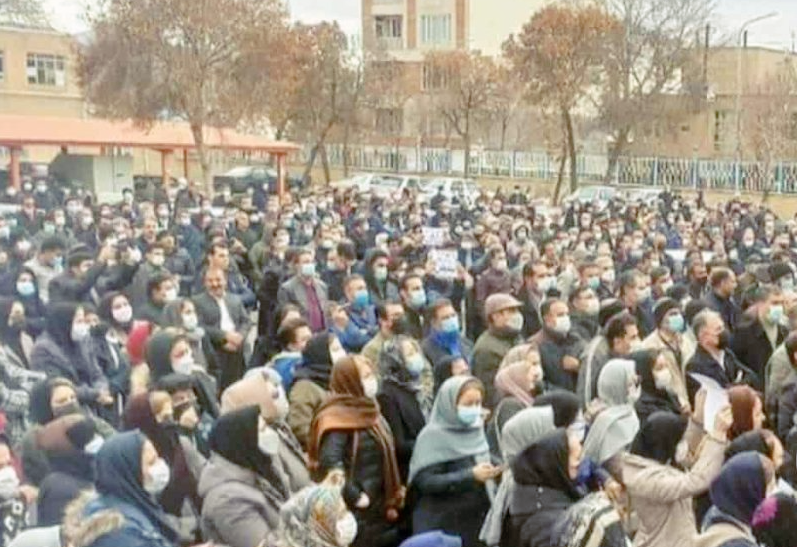
For many Western audiences, the phrase “Allāhu Akbar” is often mentally linked to images of religious extremism, violence, massacre, or terrorist attacks. This association is less the result of lived, everyday experience than the product of media representations and contemporary political discourse. In this essay, I aim to offer a personal narrative drawn from my own lived experience as an Iranian woman—one that revisits “Allāhu Akbar” not as an ideological slogan, but as a linguistic, emotional, and deeply human act embedded in everyday life.
In its literal sense, “Allāhu Akbar” means “God is greater” or “God is supreme.” Yet within Iranian culture, the lived meaning of this phrase extends far beyond its literal translation. For many Iranians, “Allāhu Akbar” belongs to the language of emotion—a language used in moments of desperation, astonishment, danger, or anxiety, rather than as a declaration of belief or a political statement.
Before continuing, it is important to clarify my own relationship with religion. I am a secular Iranian woman. My secularism, however, does not arise from a rejection of religion, nor from hostility toward spirituality. Living in different cultures—particularly several years in Taiwan and later in China—taught me that secularism can mean, rather than opposition to religion, entrusting the choice of belief to the individual. From this perspective, others’ belief or disbelief holds no inherent importance for me; what matters is how people live with their beliefs and the human function those beliefs serve in real life.
It is from this angle that “Allāhu Akbar” can be understood in the everyday lives of Iranians. In many instances, the phrase is not an ideological stance but a linguistic reaction to situations in which one feels control slipping away. Iranian culture, as a historical and dynamic system, has always demonstrated a strong capacity to absorb, reinterpret, and localize concepts—whether literary, philosophical, or religious. As a result, religious notions do not necessarily remain confined to formal or ideological frameworks.
For me, “Allāhu Akbar” is first and foremost the language of crisis. I vividly remember a night when I found myself in a deeply frightening situation—a moment when anxiety was so intense that my body reacted before my mind could. I was not praying, nor was I even thinking about the meaning of the words. My body responded instinctively, and the rapid, forceful repetition of “Allāhu Akbar, Allāhu Akbar” poured out of my mouth. The rhythm of the words, the way they organized my breathing, and their repetition helped me move through psychological collapse, breathe again, and regain control of my body. In that moment, “Allāhu Akbar” was not an expression of faith; it was a tool for survival.
This experience led me to an important realization. What I was doing in that moment was fundamentally no different from how many secular individuals react to fear or shock. Some whisper “Oh my God,” others repeat a mantra or a particular word, some focus intensely on their breathing, and others even curse. These reactions are rarely theological statements; they are instinctive linguistic anchors—sounds the body clings to when rational language collapses. From this perspective, uttering “Allāhu Akbar” in a moment of crisis has less to do with belief and more to do with staying grounded; it is a human response before it is a religious one.
This understanding drew my attention more closely to the linguistic and bodily dimensions of the phrase. In Persian, “Allah” is equivalent to khodā (“God”), yet phonetically “Allah” sits more easily on the tongue. The doubled l creates a brief pause, and the word ends with an open “ah” sound, released with the exhale—a kind of physical discharge of tension. In moments of anxiety, this sonic structure becomes significant. Saying “yā Allah” is often calming, but in moments of danger or chaos, “Allāhu Akbar” is more forceful, injecting the body with a surge of energy.
Another important point is that “Allah” is not a word invented by Islam. The name existed prior to the emergence of Islam and referred to one of the gods worshipped in the Arabian Peninsula. Islam adopted this name and set aside the other deities. As such, “Allah” is a historical product of a land where hardship, vulnerability, and the need for refuge were part of everyday human experience, and over time the word accumulated emotional and psychological weight.
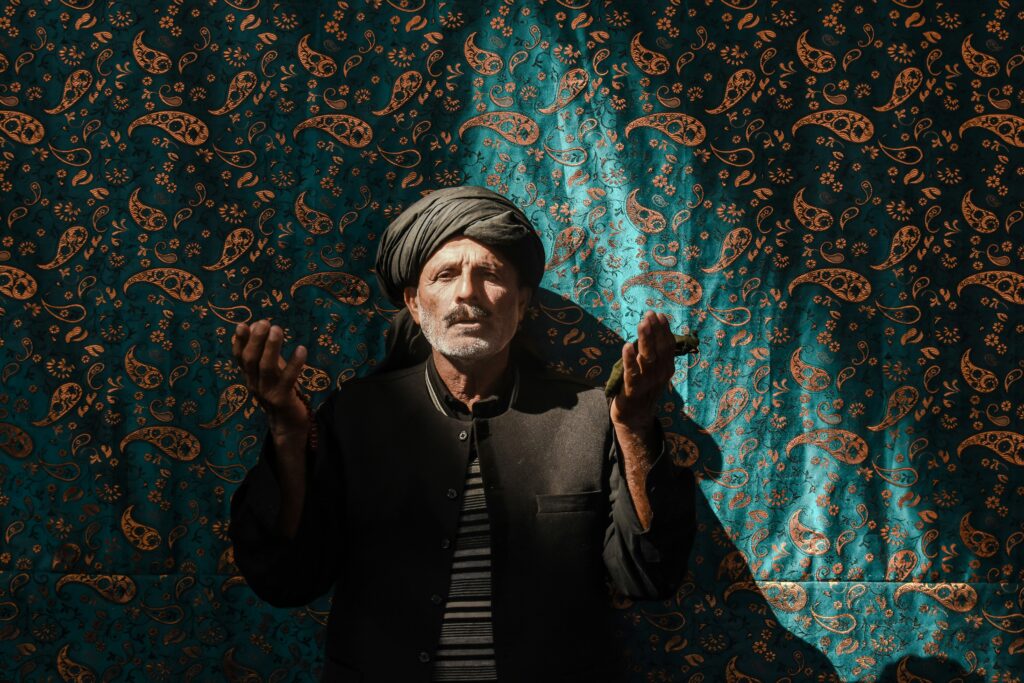
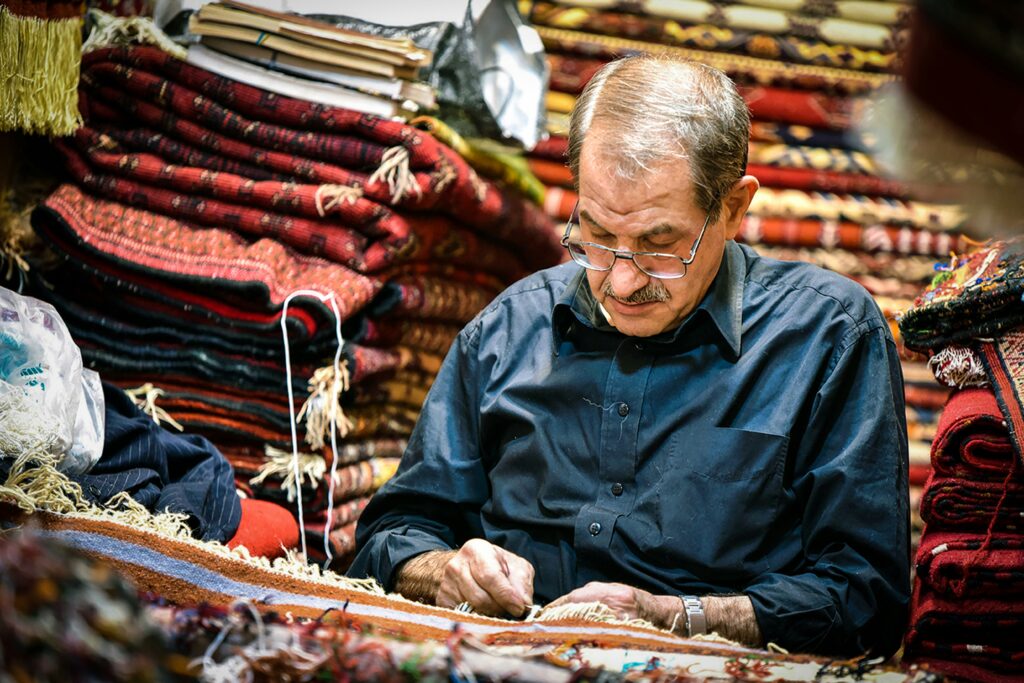
In Iranian popular culture, “Allāhu Akbar” also carries a protective and caring function. Even today, older people, upon seeing a beautiful or intelligent child, will say “Allāhu Akbar” or “māshā’Allah,” symbolically entrusting the child to God. This act is not motivated by fear, but by protection and the wish for well-being. Near my home, there is a stationery shop where an elderly man sometimes comes to help the shopkeeper. Whenever I take children there to shop, he smiles and says, “Allāhu Akbar, māshā’Allah,” wishing them health and safety. These moments are always comforting for both the children and me—a simple sign of attention and care. One could even imagine that parents who are entirely hostile to religion might still, deep down, welcome such a wish for their child.
«اللهاکبر» در زندگی روزمرهی من: بازخوانی یک زن سکولار ایرانی
ترکیب «اللهاکبر» در ذهن بسیاری از مخاطبان غربی اغلب با تصاویر افراطگرایی دینی، خشونت، کشتار یا عملیات تروریستی گره خورده است. این پیوند بیش از آنکه حاصل تجربهی زیستهی واقعی باشد، محصول بازنماییهای رسانهای و گفتمانهای سیاسی معاصر است. در این نوشتار، قصد دارم روایتی شخصی از تجربهی واقعی خود بهعنوان یک زن ایرانی ارائه کنم؛ روایتی که «اللهاکبر» را نه بهعنوان شعار ایدئولوژیک، بلکه بهمثابه کنشی زبانی، عاطفی و انسانی در زندگی روزمره بازخوانی میکند.
در معنای لغوی، «اللهاکبر» یعنی «خدا بزرگتر است» یا «خدا برتر است». اما در فرهنگ ایرانی، معنای زیستهی این عبارت بسیار فراتر از ترجمهی تحتاللفظی آن است. برای بسیاری از ایرانیان، «اللهاکبر» بخشی از زبان احساس است؛ زبانی که در لحظات استیصال، شگفتی، خطر یا اضطراب به کار میآید، نه بیانیهای اعتقادی یا سیاسی.
پیش از ادامه، لازم است نسبت خود با دین را روشن کنم. من یک زن سکولار ایرانی هستم. اما سکولاریسم من نه از نفی دین میآید و نه از دشمنی با امر معنوی. تجربهی زندگی در فرهنگهای مختلف—بهویژه چند سال زندگی در تایوان و سپس چین—به من آموخت که سکولاریسم میتواند بهجای تقابل با دین، به معنای سپردن انتخاب باور به فرد باشد. در این نگاه، باور یا ناباوری دیگران برای من اهمیت ذاتی ندارد؛ آنچه اهمیت دارد، نحوهی زیستن انسانها با باورهایشان و کارکرد انسانی آن باورها در زندگی واقعی است.
از همین زاویه میتوان «اللهاکبر» را در زندگی روزمرهی ایرانیان فهمید. این عبارت در بسیاری از موارد نه اعلام موضع ایدئولوژیک، بلکه واکنشی زبانی به شرایطی است که فرد احساس میکند کنترل از دستش خارج شده است. فرهنگ ایرانی، بهعنوان نظامی تاریخی و پویا، همواره توانایی بالایی در جذب، بازتفسیر و بومیسازی مفاهیم داشته است؛ چه ادبی، چه فلسفی و چه دینی. به همین دلیل، مفاهیم مذهبی نیز الزاماً در قالبهای رسمی و ایدئولوژیک باقی نمیمانند.
برای من، «اللهاکبر» پیش از هر چیز زبان بحران است. هنوز بهوضوح شبی را به یاد دارم که در موقعیتی بسیار ترسناک قرار گرفتم؛ لحظهای که شدت اضطراب آنقدر زیاد بود که بدنم پیش از ذهنم واکنش نشان داد. نه در حال دعا بودم و نه حتی به معنای کلمات فکر میکردم. بدنم بهطور غریزی واکنش نشان داد و تکرار سریع و کوبندهی «اللهاکبر، اللهاکبر» از دهانم بیرون آمد. ریتم این واژهها، نظم گرفتن نفسها و تکرار آنها به من کمک کرد تا از فروپاشی روانی عبور کنم، دوباره نفس بکشم و کنترل بدنم را به دست بیاورم. در آن لحظه، «اللهاکبر» برای من بیان ایمان نبود؛ ابزاری برای بقا بود.
این تجربه مرا به درک مهمی رساند. آنچه در آن لحظه انجام میدادم، تفاوت بنیادینی با واکنش بسیاری از افراد سکولار در مواجهه با ترس یا شوک نداشت. برخی زیر لب میگویند «یا خدا»، برخی مانترا یا کلمهای خاص را تکرار میکنند، برخی به نفسشان میچسبند یا حتی فحش میدهند. این واکنشها معمولاً بیانیههای الهیاتی نیستند، بلکه لنگرهای زبانی غریزیاند؛ صداهایی که بدن وقتی زبان عقلانی فرو میریزد به آنها پناه میبرد. از این منظر، گفتن «اللهاکبر» در بحران، بیش از آنکه به باور مربوط باشد، به زمینگیر نشدن مربوط است؛ واکنشی انسانی پیش از آنکه دینی باشد.
این نگاه مرا به توجه بیشتر به بُعد زبانی و جسمانی این عبارت سوق داد. در فارسی، «الله» معادل «خدا» است، اما از نظر آوایی، «الله» راحتتر روی زبان مینشیند. تشدید روی «لام» مکثی ایجاد میکند و پایان واژه با صدای «آه» همراه با بازدم است؛ نوعی تخلیهی تنش. در شرایط اضطراب، این ساختار صوتی اهمیت پیدا میکند. گفتن «یا الله» اغلب آرامبخش است، اما در لحظات خطر یا آشوب، «اللهاکبر» کوبندهتر است و انرژی بیشتری به بدن تزریق میکند.
نکتهی دیگر آن است که «الله» واژهای نیست که با اسلام ابداع شده باشد. این نام پیش از ظهور اسلام نیز وجود داشته و یکی از خدایان مورد پرستش در شبهجزیرهی عربستان بوده است. اسلام این نام را برگزید و سایر خدایان را کنار گذاشت. در نتیجه، «الله» محصول تاریخی سرزمینی است که سختی زندگی و نیاز به پناه، بخشی از تجربهی روزمرهی انسانها بوده و این واژه طی زمان بار عاطفی و روانی پیدا کرده است.
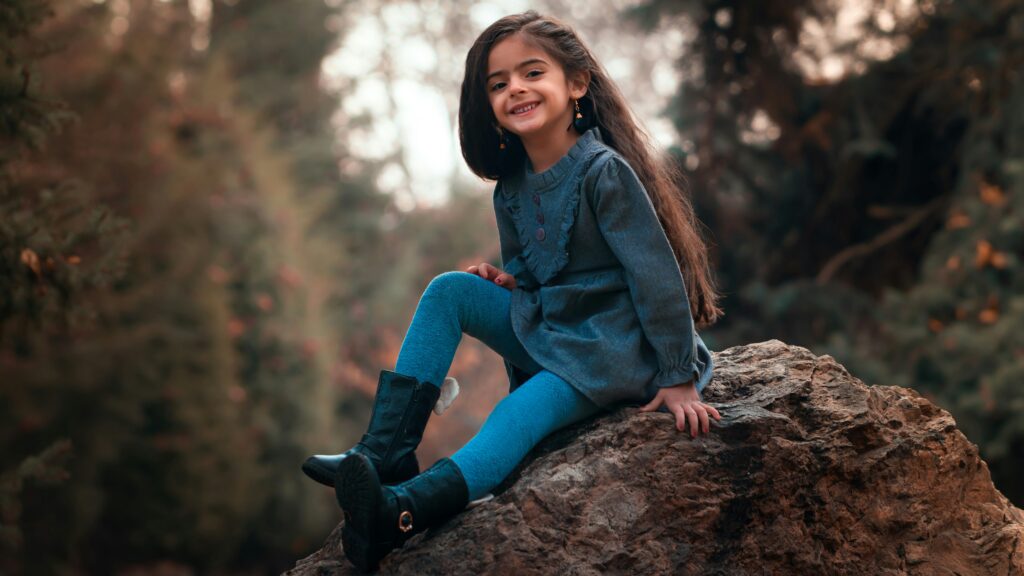
در فرهنگ عامهی ایرانی، «اللهاکبر» همچنین کارکردی محافظتی و مراقبتی دارد. هنوز هم افراد مسن هنگام دیدن کودکی زیبا یا باهوش، با گفتن «اللهاکبر» یا «ماشاءالله» او را به خدا میسپارند. این کنش نه از سر ترس، بلکه برای محافظت و آرزوی سلامت انجام میشود. نزدیک خانهی من یک لوازمالتحریرفروشی است که گاهی پیرمردی برای کمک به فروشنده میآید. هر بار که بچهها را برای خرید به آنجا میبرم، او با لبخند میگوید «اللهاکبر، ماشاءالله» و برایشان آرزوی سلامتی میکند. این لحظهها برای من و بچهها همیشه دلگرمکننده است؛ نشانهای ساده از توجه و مراقبت. حتی میتوان تصور کرد که والدینی کاملاً دینستیز نیز در عمق دل از چنین آرزویی برای فرزندشان استقبال کنند.
این نوشتار نشان میدهد که «اللهاکبر» را نمیتوان صرفاً از خلال بازنماییهای رسانهای یا قرائتهای سیاسی فهمید. در زندگی روزمرهی بسیاری از ایرانیان، این عبارت حامل کارکردهای عاطفی، حمایتی و روانی است. توجه به این خوانشهای زیسته میتواند درکی انسانیتر از دین در زندگی روزمره ارائه دهد و فاصلهی میان تجربههای محلی و روایتهای جهانی را کاهش دهد.



Thank you for this thoughtful explanation, this deeper understanding. I am moved by the description of “linguistic anchors–sounds the body clings to when rational language collapses,” the comforting sounds for times when there are no words…