
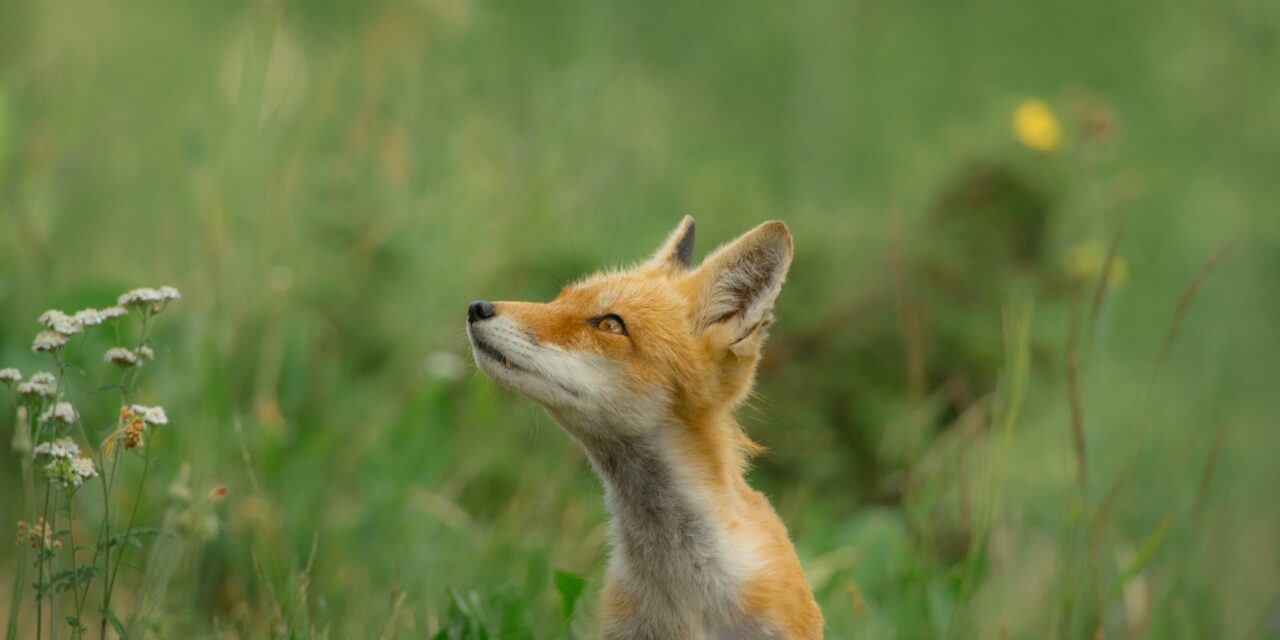
“But ask the animals, and they will teach you;
or the birds of the air, and they will tell you…
In his hand is the life of every creature and the breath of all mankind.”
— Job 12:7–10“Be praised, my Lord, through all Your creatures.”
— St. Francis of Assisi, Canticle of the Creatures
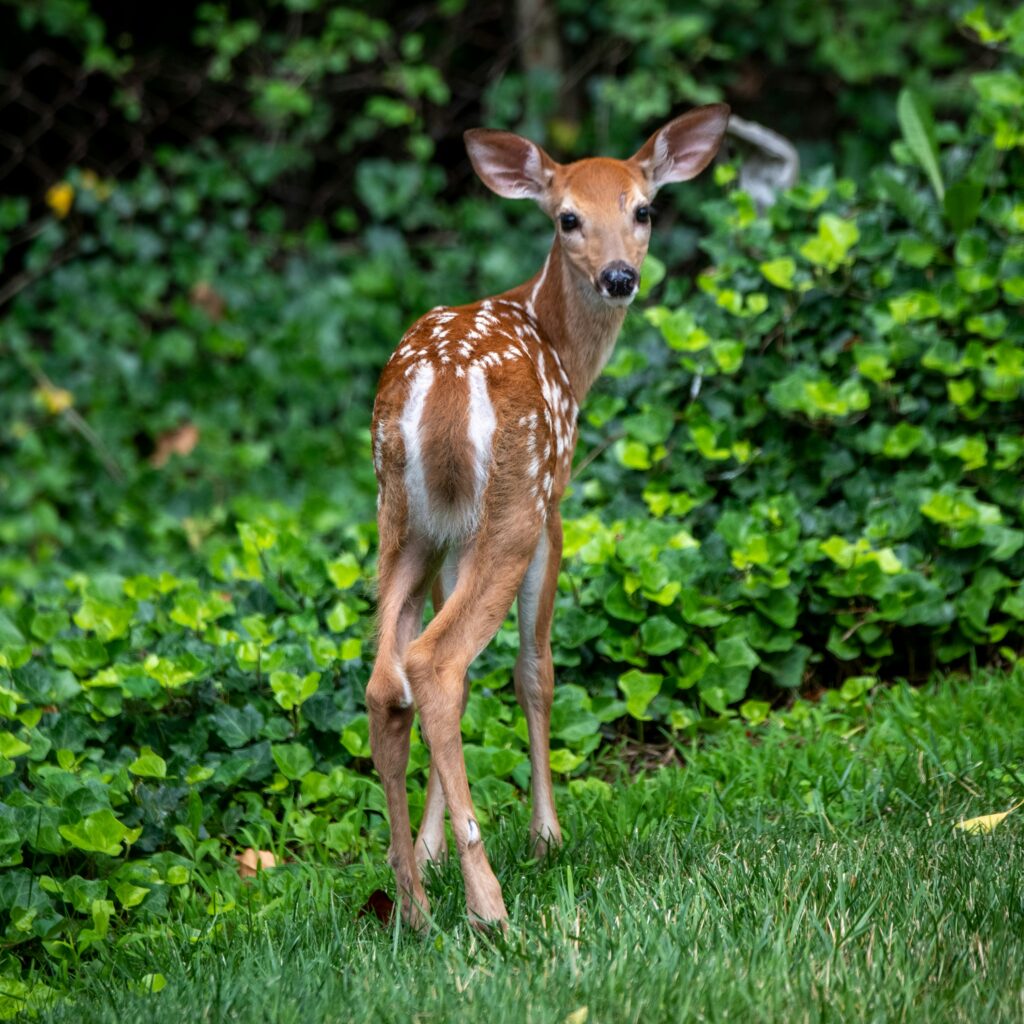
There are moments in a man’s life when words fall short. Moments when all that’s left is silence, breath, and a quiet surrender to something larger. I find these moments not in temples or texts, but in my backyard. Watching a deer recline in the tall grass, sun-drunk and at peace. Watching birds flutter in quiet choreography at the feeder and watching without needing to understand, just being with them.
To be clear, I don’t believe animals “pray” like humans do. They don’t bow or chant or recite scripture. But in their undivided presence — their full-bodied participation in life — there is something sacred. A kind of wordless devotion. A life lived as prayer.
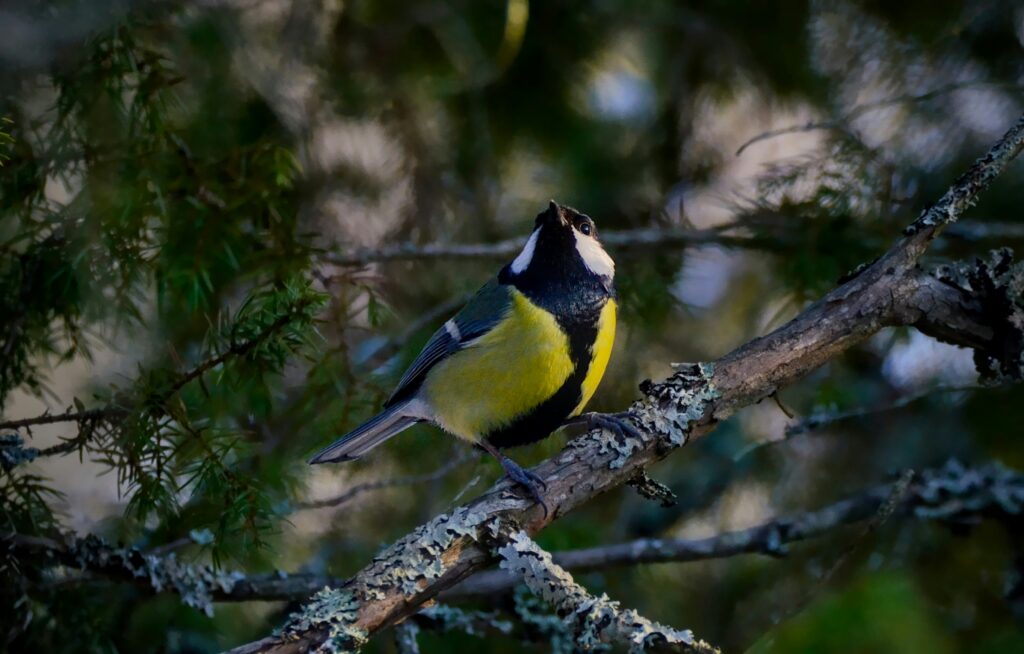
In the wild, reverence isn’t spoken; it’s embodied. I see it in the wren’s purposeful flight. In the calm dominance of a hawk perched above. In how birds of many kinds — cardinals, chickadees, sparrows, even squabbling jays — coexist around the feeder in a kind of mutual rhythm. They don’t need to believe in God to move as if something holy surrounds them.
Of course, nature has its darkness. The filmmaker Werner Herzog has famously described the jungle as “obscene… vile… base.” He saw only struggle, deception, and death. And he wasn’t wrong — predators kill, parasites feed, and life sometimes ends brutally. But what we often miss is this: those scenes are the exception, not the rule. Most of life, most of the time, is a quiet miracle of coexistence. Trees growing. Rivers flowing. Herds grazing. Microbes balancing ecosystems with no need for glory.
That’s the lesson I’m learning in midlife: not to romanticize nature, but to see it whole, and still choose reverence.
The animals don’t pray. But they remind me how.
They remind me that prayer isn’t just a whispered plea in the dark. It’s not reserved for times of desperation or moments of spiritual clarity. It can also be a breath, a look, a posture. It’s being here. Fully. Without shame or pretense. In the salmon’s final leap upstream. In elephants circling their dead. In the daily, unspectacular acts of living that echo something eternal.
Men, especially, are taught to keep things tidy — to seek control, to push past pain, to explain everything. But life doesn’t always fit into neat categories. And maybe that’s the point. Maybe prayer isn’t about control. Maybe it’s about letting go of ego, of certainty, of the need to always know what comes next.
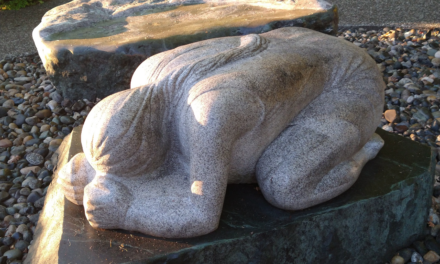
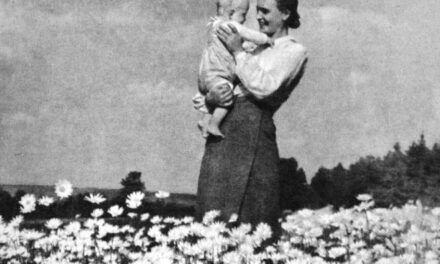
In that way, animals are our teachers. Their prayer is unselfconscious. It’s not about asking, but about being. And if we’re honest, the most honest parts of our own lives are like that, too. Holding a child. Watching the ocean. Sitting in grief with no answers. Laughing with someone you love until the pain disappears. These are prayers we don’t often name — but they are prayers nonetheless.
St. Francis of Assisi named them. He sang to Brother Sun and Sister Moon. To Fire and Water and Death itself. Not to worship them, but to recognize them as fellow travelers in this wild, astonishing, painful, beautiful life. He saw them not as objects beneath us, but as co-celebrants in the sacred.
That’s what I want for my masculinity. Not dominance. Not control. Not performance. But participation. Reverence. A masculinity that listens. That watches. That responds. That prays without needing to say a word.
Because in the end, the question isn’t do animals pray?
It’s do we remember how?



First of all, 80% of the time I try to tap five stars, it only leaves 4 1/2! This is definitely a five star essay. Your words are beautiful and so are the pictures. I wish more people could see the beauty and the sacredness of nature and animals. Thank you for this.